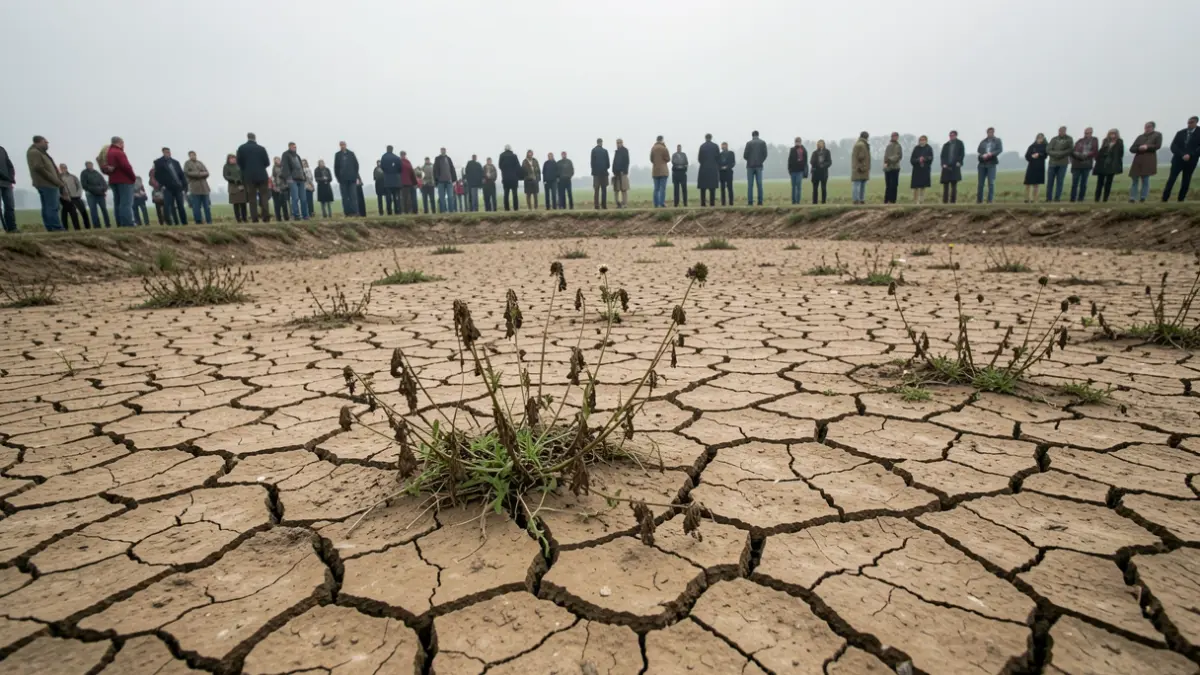
The summer of 2026 experienced exceptional drought, with several watercourses running completely dry despite a temporary withdrawal ban imposed in mid-August. Recent rainfall has restored flow rates, but the water system remains vulnerable, and caution is still advised.
The drought conditions in the non-navigable watercourses of Antwerp province were extremely poor between July 1, 2026, and August 15, 2026. A combination of intense drought and very high temperatures caused several watercourses to dry up completely and significantly reduced flow rates in others. Rainfall from mid-August provided only temporary relief. The exceptional amount of precipitation in recent days was necessary to raise water levels and flow rates above the ecological minimum threshold. Consequently, the temporary withdrawal ban, implemented to protect the ecology of the watercourses, is no longer required and has been lifted.
For a few specific river basins, a permanent withdrawal ban remains in effect and will continue to be enforced.
While the recent rainfall is welcome and allows watercourses to recover, the water system has not yet recovered from two consecutive dry summers (2025 and 2026). Groundwater levels remain extremely low, resulting in relatively low water levels in non-navigable watercourses for this time of year. The provincial drought consultation therefore calls on water managers, farmers, and land managers to retain rainwater and groundwater as much as possible and to make full use of the upcoming winter period.
It is advised to limit drainage as much as possible, critically evaluate the necessity of groundwater lowering, set operable systems to their highest setting to maximize winter rainfall infiltration, and fill water basins or tanks with rainwater for later use.