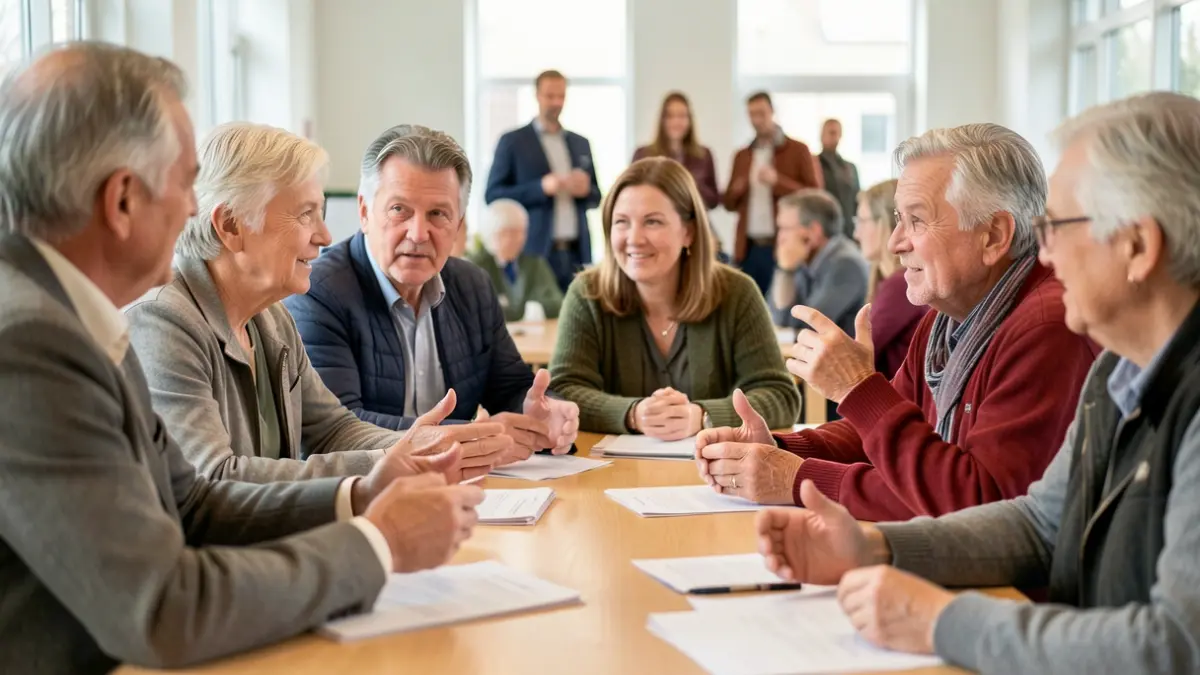
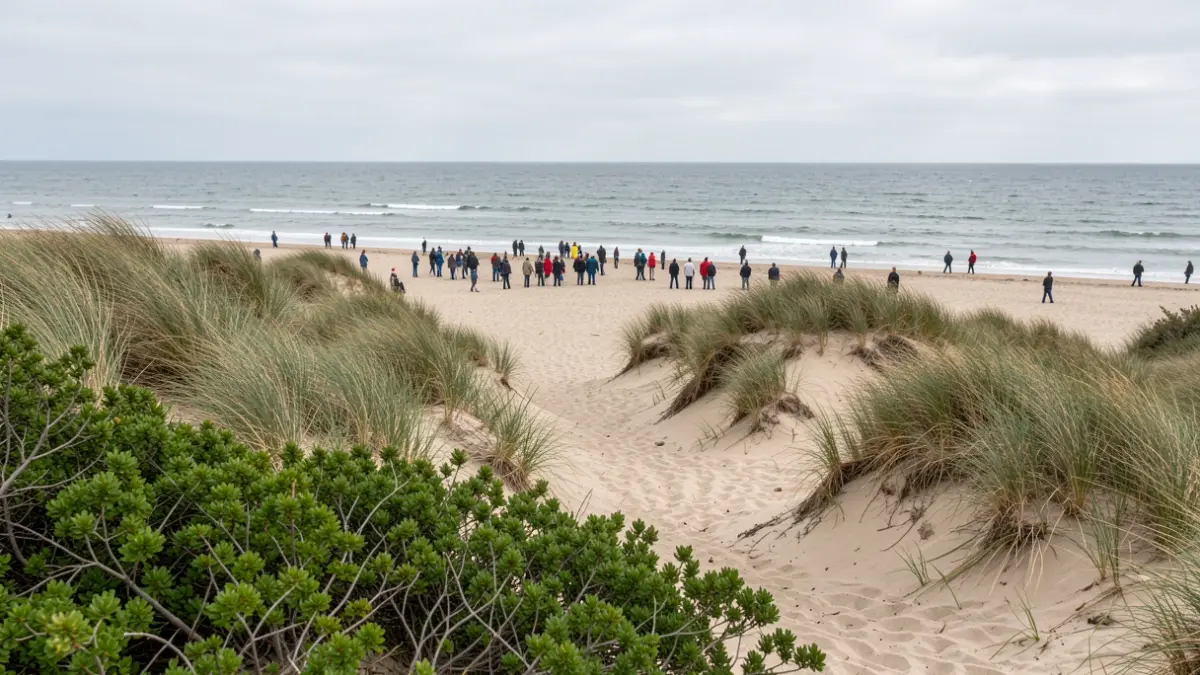
The final event of the SUSANA project took place on September 30th in Bruges, gathering researchers, companies, governments, and other stakeholders. The central question was how to ensure sufficient sand for future coastal measures without increasing pressure on marine ecosystems. The event presented key research findings, supplemented by international insights from the Netherlands, and looked ahead at the challenges and opportunities for scaling up nature-based solutions.
Nature-based solutions, such as dunes and sand nourishment, are increasingly important in future coastal management. These natural forms of coastal protection offer flood defense and provide benefits for nature, recreation, and climate, but require large quantities of sand. Within SUSANA, research investigated the extent to which alternative sediments, such as those from dredging or infrastructure projects, can be used in coastal projects. Results indicate that dune vegetation can develop well on these sediments, sometimes even better than on traditional sand. However, local conditions like grain size, salinity, and organic matter play a crucial role in determining a sediment's suitability. Erosion resistance research showed that vegetation has a greater impact on dune resistance to erosion than the distinction between classic and alternative sand sources; only very fine sediments exhibit higher erosion sensitivity. A survey revealed that recreational users are open to using more sustainable sand sources, provided clear communication is maintained.
The project also explored the availability of alternative sand and sediment sources, including dredged material and material from port and infrastructure works. The primary challenge lies not in material availability but in better matching supply and demand, requiring a well-thought-out approach to storage, planning, and logistics for efficient use. Furthermore, SUSANA mapped the ecological impact of offshore sand extraction. Effects vary significantly by local conditions, influencing seabed life composition and ecosystem interactions. Risk maps developed within the project aim to help policymakers make better-informed decisions, considering ecosystem sensitivity alongside technical and economic criteria.
An integrated model was developed to consolidate research findings, focusing on ecosystem services on land and at sea. This model visualizes the consequences of different choices regarding sand extraction and use for coastal safety, nature (on land and at sea), recreation, and fisheries. During the final event, international speakers shared experiences from the Netherlands on ecologically smart sand extraction and scaling up nature-based solutions. Participants advocated for large-scale demonstration projects to test technical, ecological, logistical, and administrative challenges. SUSANA provides a crucial foundation with new knowledge, concrete recommendations, and tools for sustainable coastal development.
The project partners thank everyone who contributed to the SUSANA project and participated in the final event. The acquired knowledge and insights form a valuable basis for the further development of nature-based solutions and sustainable coastal protection.