
The West Nile virus has been circulating in Flanders for several weeks. Previously, people fell ill in the provinces of Antwerp and Flemish Brabant. In East Flanders, infections have also been detected in horses and birds.
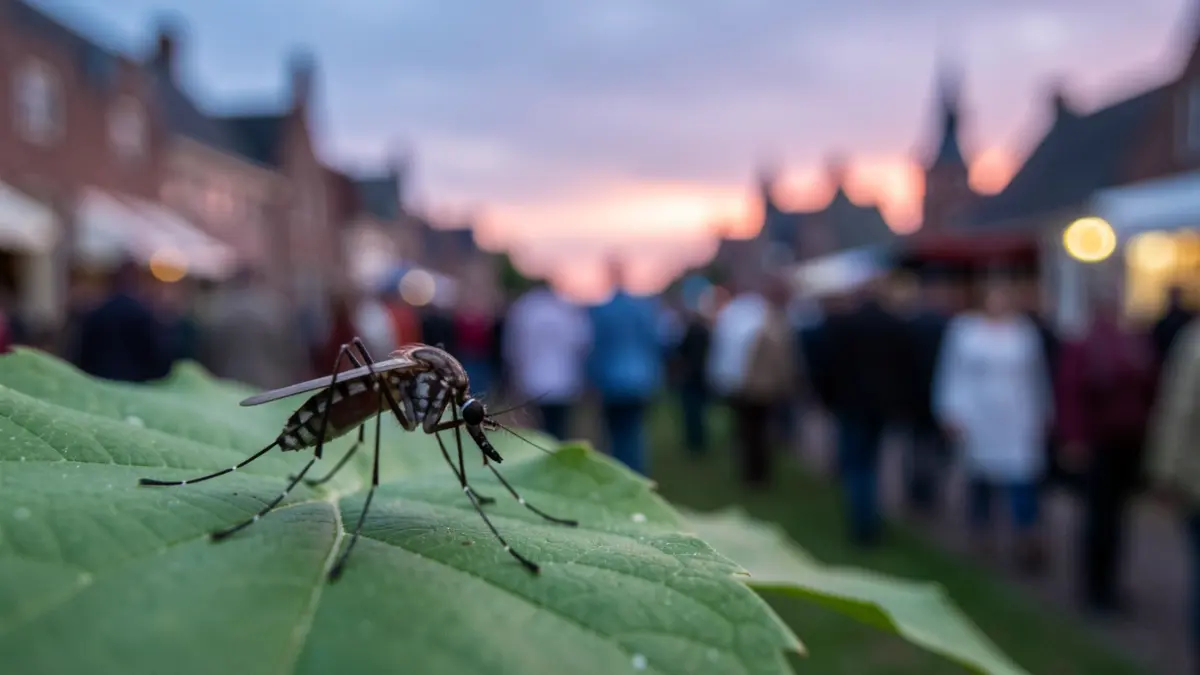
The virus occurs in birds and is transmitted by mosquitoes, such as the common house mosquito. Horses and humans can become infected through the bite of an infected mosquito. The virus is not transmitted directly from person to person or from horse to human.
West Nile virus can cause West Nile fever. Most infected people do not notice it. Some experience mild symptoms like fever, headache, muscle pain, fatigue, and sometimes a rash. Only a small percentage (1%) become seriously ill, potentially developing meningitis or encephalitis, particularly affecting the elderly and those with weakened immune systems.
The best protection against the West Nile virus is preventing mosquito bites. Therefore, extra attention to mosquito protection is advised until the end of October, especially during dusk and at night when these mosquitoes are most active. Simple measures can make a difference, including wearing long sleeves and trousers, using insect repellent, installing mosquito nets on windows and doors, and sleeping under a mosquito net if necessary.
Mosquitoes require water to develop their eggs and larvae. It is therefore advisable to regularly check gardens and terraces for standing water. This water should be emptied, changed weekly, or covered with a lid or mosquito netting. Extra protection is recommended near standing water that cannot be removed.
More information about the West Nile virus and mosquito bite prevention can be found via the Department of Health. There is currently no cause for alarm, but vigilance and protection against mosquito bites remain important.