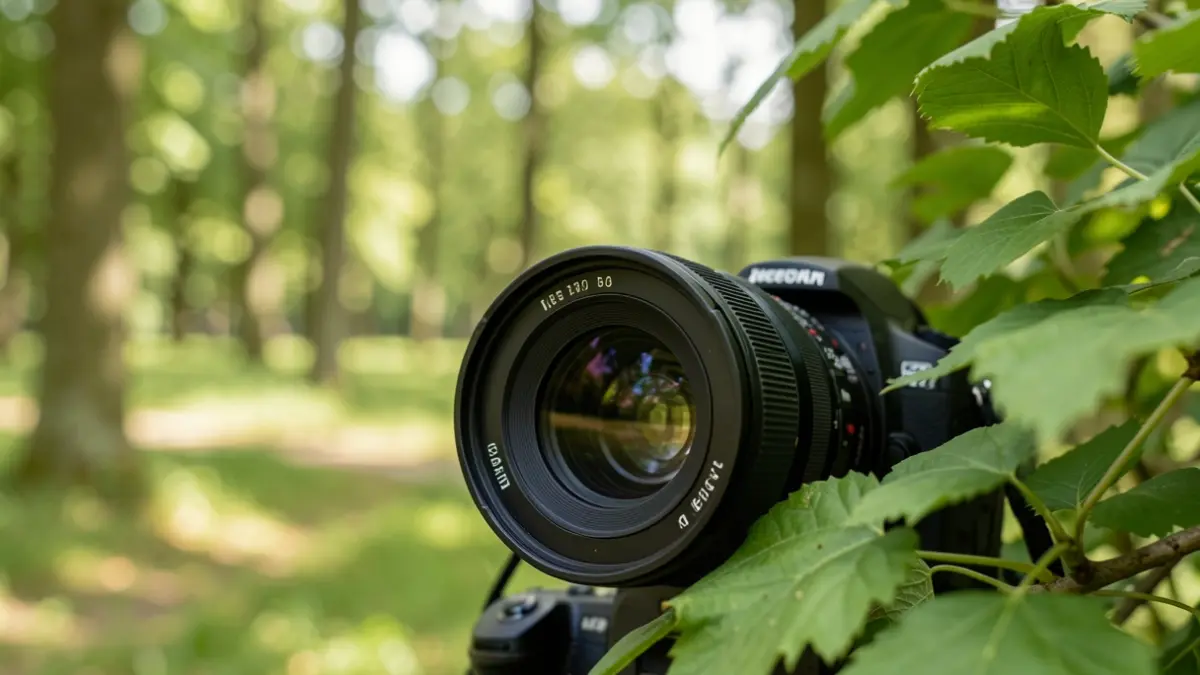
Residents of Genk walking through their gardens or the greenery of the Stiemervallei in the evening might encounter hedgehogs, squirrels, or bats. To gain better insight into the local fauna, the city is launching an extensive baseline measurement this autumn. For this purpose, wildlife cameras will be installed in and around Oud-Waterschei and the Stiemervallei.
These cameras are part of URBAN, a European project in which Genk collaborates with various partners to create more space for nature within the city. Over the coming years, the city aims to investigate how animal habitats can be better connected, not only in nature reserves but also in streets and gardens where people and nature coexist.
The first step is to establish the current situation. Under the guidance of the Ruhr University Bochum, wildlife cameras will be installed in October at various locations in and around Oud-Waterschei and the Stiemervallei. The cameras will be positioned to primarily capture animals and avoid filming people. Local residents who discover a camera will be informed about the research's purpose via information boards.
The initial focus is on hedgehogs and squirrels, but other animals may also appear on camera. A separate monitoring effort for bats is underway using sound recorders, and an approach for amphibians is still being developed.
This baseline measurement marks the starting point of a process that will run until 2029. With the collected results, Genk intends to strengthen and connect animal habitats. This could include planting more shrubs and trees, creating hedgehog pathways between gardens, adapting lighting, and installing nesting sites or ponds.
Residents will also be involved in the project. Genk aims to discover with the community how private gardens can contribute to a network of green spaces where animals can move, find food, and shelter. In 2027, the focus will be on strengthening residents' connection with nature, 2028 will see concrete interventions in public and private domains, and in 2029, the impact will be measured and incorporated into policy.