Flemish Minister for Environment and Agriculture Jo Brouns has announced that Flanders will take additional steps in the coming months to further improve water quality. This involves accelerating the execution of current river basin management plans with seven new actions. Concurrently, the public inquiry for the next generation of plans, covering the period 2028-2033, will commence on November 9, 2026.
River basin management plans (RBMPs) form the backbone of Flemish water policy, containing measures to enhance the quality of surface and groundwater and better protect Flanders against drought, water scarcity, and floods. Despite significant improvements over past decades, objectives are not yet met everywhere. Therefore, Flanders aims to maximize the remaining implementation period of the current RBMP generation (SGBP 3).
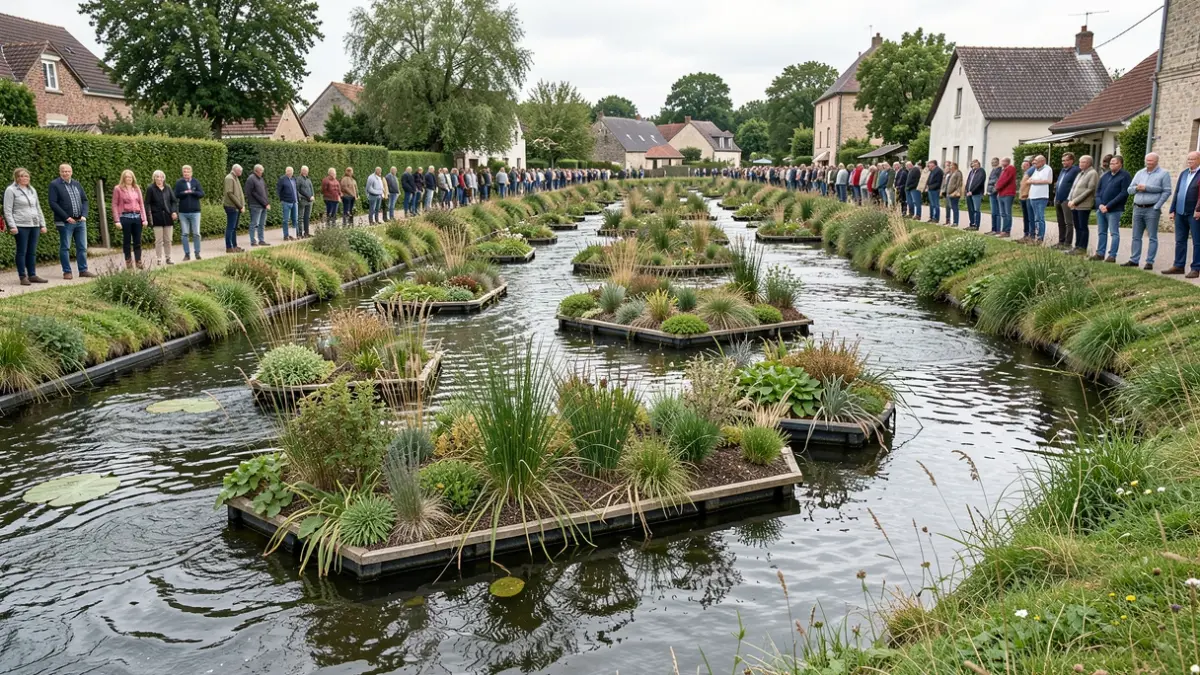
The '7 for 27' impulse program includes seven additional actions designed to accelerate progress by the end of 2027. This initiative provides increased support for river restoration projects, such as the 'Levend water' program. Aquafin will invest further in removing phosphorus and nitrogen from wastewater, and priority sewerage works will be expedited. The execution of municipal investments in water purification will also be more closely monitored.
Furthermore, permits for approximately 180 companies with a significant impact on water quality will be evaluated. Targeted agricultural measures are being prepared for areas requiring additional efforts. Water quality will also feature prominently in the Local Blue Deals, for which subsidies will soon be allocated. These actions stem from recommendations by a societal sounding board group and were further developed by the Coordination Commission for Integrated Water Policy (CIW).
While current plans are being implemented, Flanders is also developing the next generation of river basin management plans (SGBP 4) for 2028-2033. These plans will build upon the experiences and insights gained during the current period. The public inquiry for the draft plans will start on November 9, 2026, and last for six months until May 9, 2027. During this period, citizens, local authorities, and organizations can submit comments and suggestions. After processing all feedback, the plans will be submitted to the Flemish Government for approval, officially coming into effect from January 2028.
Practical information regarding the public inquiry will be available on a dedicated website. Communication materials will be provided to local authorities and partners. Five regional digital information sessions will be organized, and sector organizations will also host their own information sessions. This comprehensive approach is part of a continuous effort to improve water quality across Flanders.