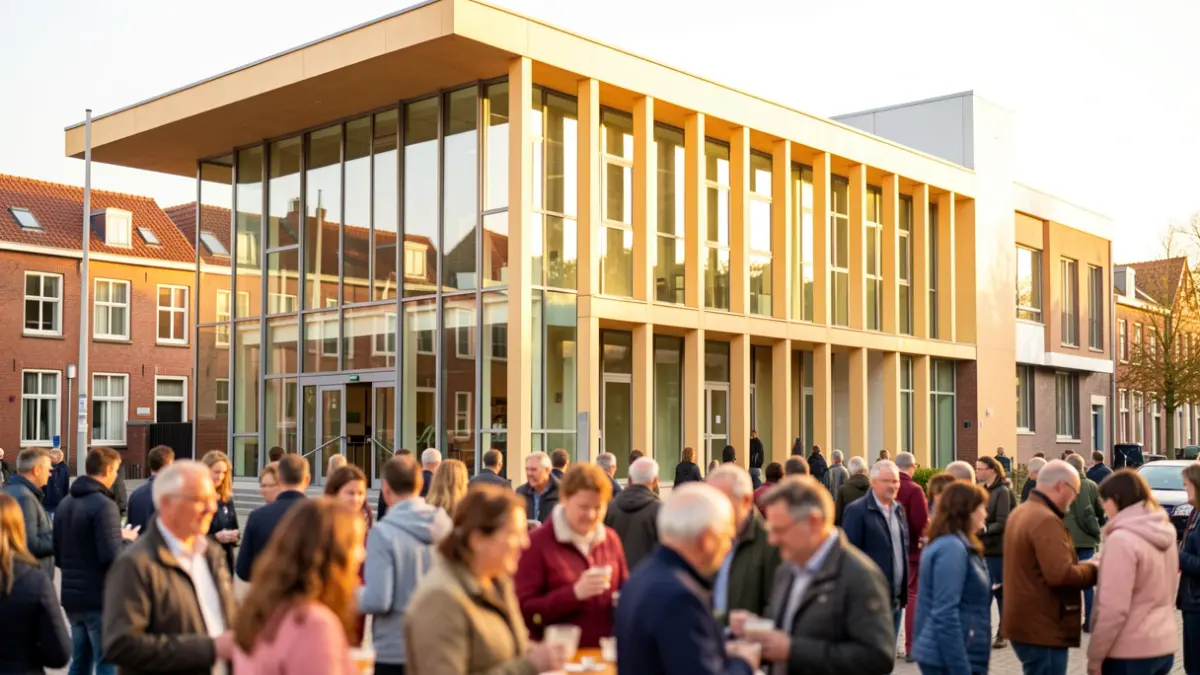
Oostende has launched a new call for 'Wijkprikkels' (Neighbourhood Sparks), a participatory project enabling residents to enhance their neighbourhoods and foster social cohesion. The initiative runs from September 1 to November 30, 2026. The city is also modifying its process: the mandatory voting round, where projects previously needed at least 60 votes, has been removed. Each project will now receive a tailored pathway based on its scope and impact on the neighbourhood.
With an annual budget of €70,000, the City of Oostende supports projects that promote connection. Individual projects can receive up to €10,000. Past editions have funded diverse initiatives, including community gardens, green meeting spots, and mobile graffiti walls. The city has recognized the need for a more flexible approach to allow small ideas to flourish quickly while giving larger projects the necessary time and space.
Fabrice Goffin, Alderman for Neighbourhoods & Districts, highlighted the changes: "With 'Wijkprikkels', we give Oostende residents the chance to shape their own neighbourhoods. We've listened to the experiences of recent years and are now making the approach simpler and more flexible."
A 'Wijkprikkel' jury, composed of city service employees and experts, will evaluate the submitted proposals. After verifying eligibility, the jury will assess the scope and impact of each eligible project to determine its tailored pathway. Smaller projects with minimal environmental impact can be implemented more swiftly, such as installing a bench in a public space, without requiring an extensive participation process. For larger projects or those with a significant neighbourhood impact, greater resident involvement is necessary, including working groups of at least three residents and feedback sessions, both in person and digitally via Ons Oostende.
The elimination of the fixed voting round is a key change. While building community support remains crucial, the city will now more selectively identify projects requiring broader neighbourhood engagement. This prevents unnecessary delays for smaller initiatives and ensures adequate space for collaborative development on larger proposals.
Examples of successful past projects include the mobile graffiti wall by Jeugdhuis De Korre, which brought young people together through workshops and sports activities; the retro beach cabin in the Westerkwartier serving as a meeting point; and the 'kindlint' (children's path) in Zandvoorde, creating a safe connection between primary schools ZANO and De Puzzel, marked by a new willow sculpture by artist Jean-Louis Muller.
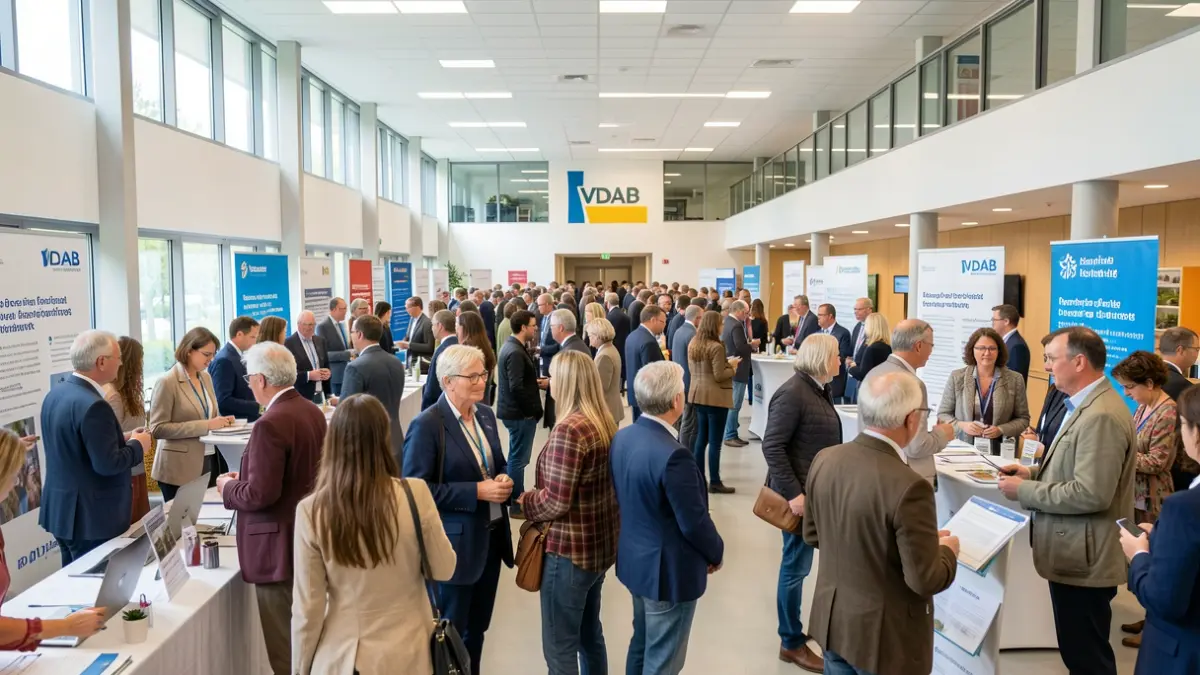
Ideas can be submitted until November 30, 2026, either digitally via Ons Oostende or on paper. Following the jury's assessment, approved projects will be further refined. In February 2027, the city will host a networking event to present the approved 'Wijkprikkels' and facilitate connections among initiators. The proposed changes to the 'Wijkprikkels' regulations will be presented to the Municipal Council on Monday, September 28, 2026.