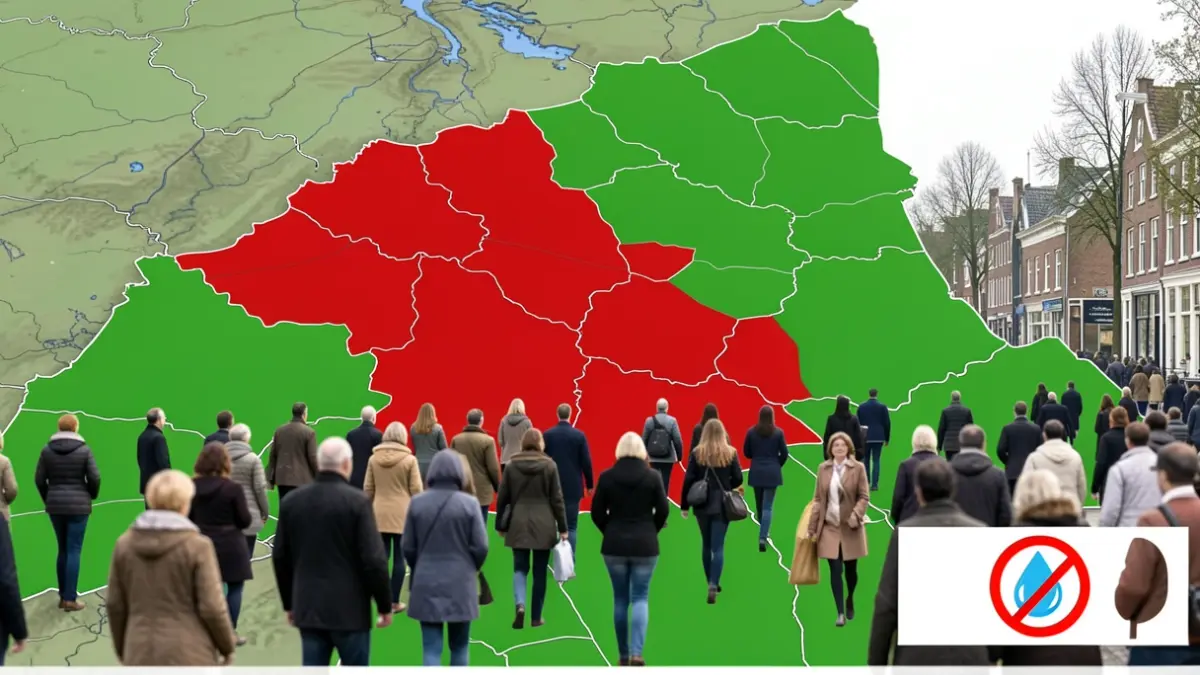
However, in four specific river basins – De Blankaart, De Martjesvaart, De Handzamevaart, and De Rivierbeek – the ban will remain in effect. This is necessary to protect water supply and life in and around these watercourses, as water levels there have not yet sufficiently recovered despite October rainfall.
In the rest of West Flanders, the ban will be lifted. The governor emphasizes that individuals must always consult the current measures and the accompanying map before withdrawing water, and that even where the ban does not apply, general rules for water withdrawal must be followed.
Several exceptions are permitted, even in areas where the ban remains in force. These include pumping water with pasture pumps for livestock, solar pumps for meadow birds, use by emergency services in critical situations if no alternative exists, filling sprayers for crop protection agents without risk of local contamination, and withdrawal via a fixed overflow with permission from the water manager and respect for minimum water levels.
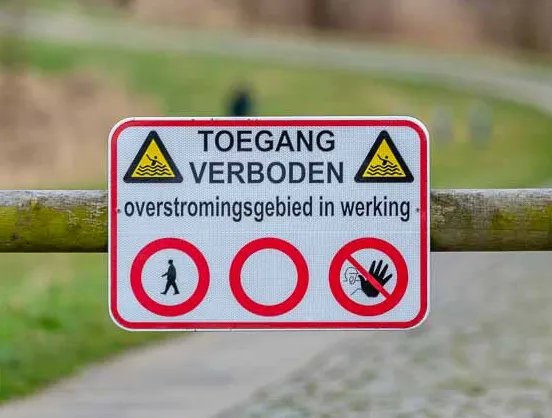
Water withdrawal from the controlled flood area in the Kernemelkputstraat in Lichtervelde is also possible, under the same conditions of permission and respect for the minimum level.
This new decree replaces the previous decision of September 15, 2026, and will remain in effect until the governor lifts the ban in the four mentioned river basins.