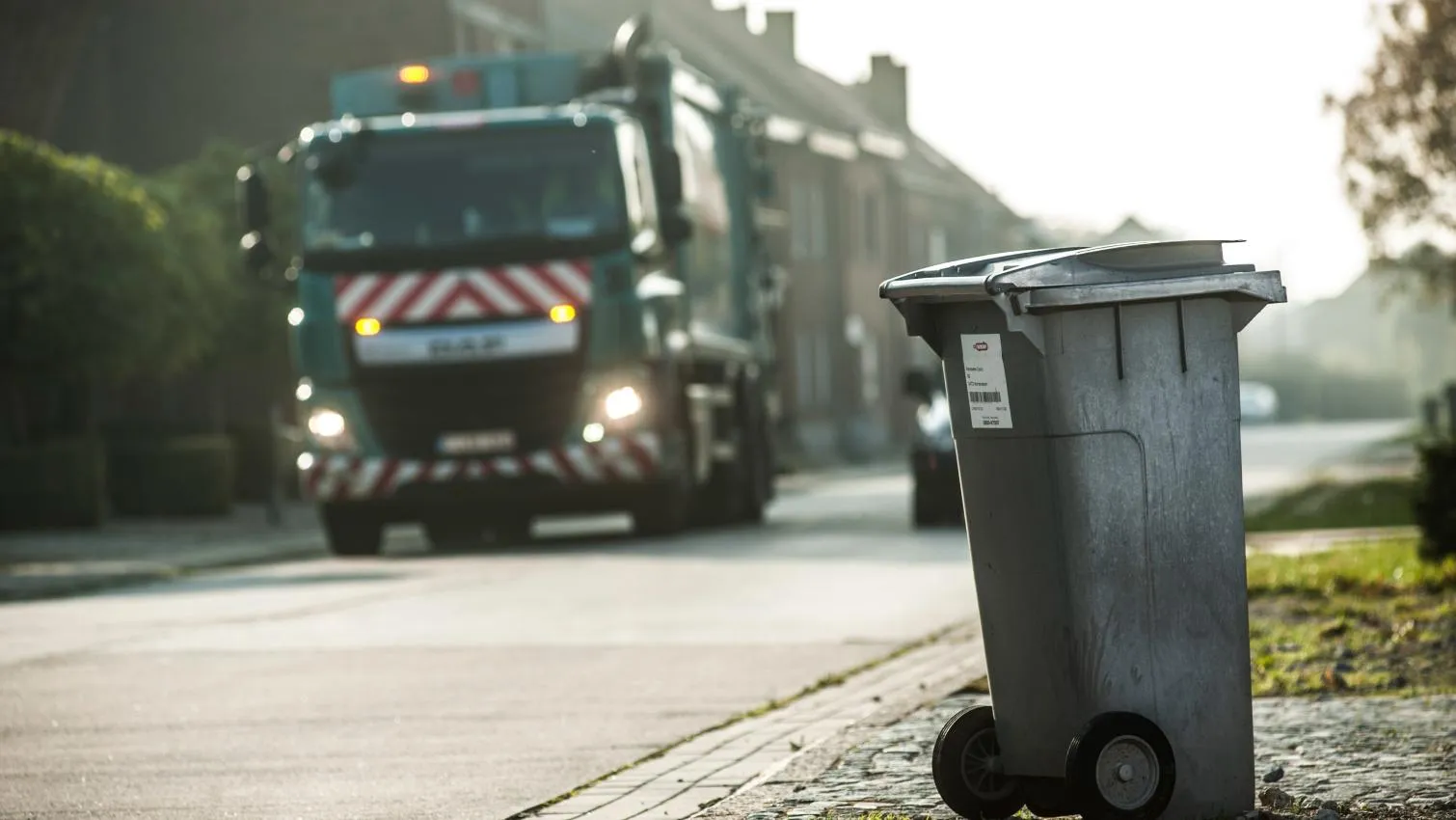
A residual waste sorting analysis in 2025 revealed that only 39% is correctly sorted, with 31% organic waste (gft), 8.7% plastic, metal, and drink carton (pmd), and 7% textiles being incorrectly disposed of in the residual waste bin. By reducing collection frequency, the aim is to encourage better sorting, leading to less residual waste. This change also means fewer collection trucks, resulting in less traffic, noise pollution, and CO2 emissions.
For many residents, the practical impact of three-weekly collection will be minimal, as residual waste bins are often not full every two weeks. For those who need more capacity, Ecowerf offers solutions: larger residual waste bins (40, 120, 240 liters) can be requested. Additionally, two above-ground sorting stations for residual waste will be installed at parking Kronkel in Huldenberg and the parking in Bloemenstraat in Ottenburg. Residual waste can be brought there 24/7 using an eID, costing 2 euros per bag of up to 30 liters. The recycling park in Bertem, and during its closure, Herent and Kortenberg, will also accept residual waste.
Proper sorting pays off, both environmentally and financially, as residual waste is the most expensive waste stream. Many items currently often found in residual waste, such as pmd, paper-cardboard, glass, and textiles, can be offered more cheaply or even for free. Since 2024, organic waste (gft) such as fruit and vegetable scraps, bread remnants, garden waste, eggshells, coffee grounds, prepared meal leftovers, meat and fish scraps, and houseplants must go into the gft container. Liquids, tea bags, mussel shells, animal carcasses, and ash residues belong in the residual waste. Gft can also be composted. PMD includes packaging made from plastic, metal, or drink cartons, such as bottles, trays, tubes, films, bags, coffee capsules, cans, and cartons. Multi-material packaging, styrofoam, medicine strips, and containers for pesticides or poisons do not belong in pmd and must be taken to the hazardous waste collection point (kga) at the recycling park. Clean and dry textiles, including clothing, shoes, handbags, and curtains, can be placed in textile containers for free, provided they are in closed, translucent bags.
Residents whose residual waste will be collected every three weeks from 2027 onwards will receive more information later this autumn. The three-weekly collection will also be indicated on the waste calendar distributed in December. For any doubts about sorting rules, residents can consult the sorting rules or sorting guide on ecowerf.be.