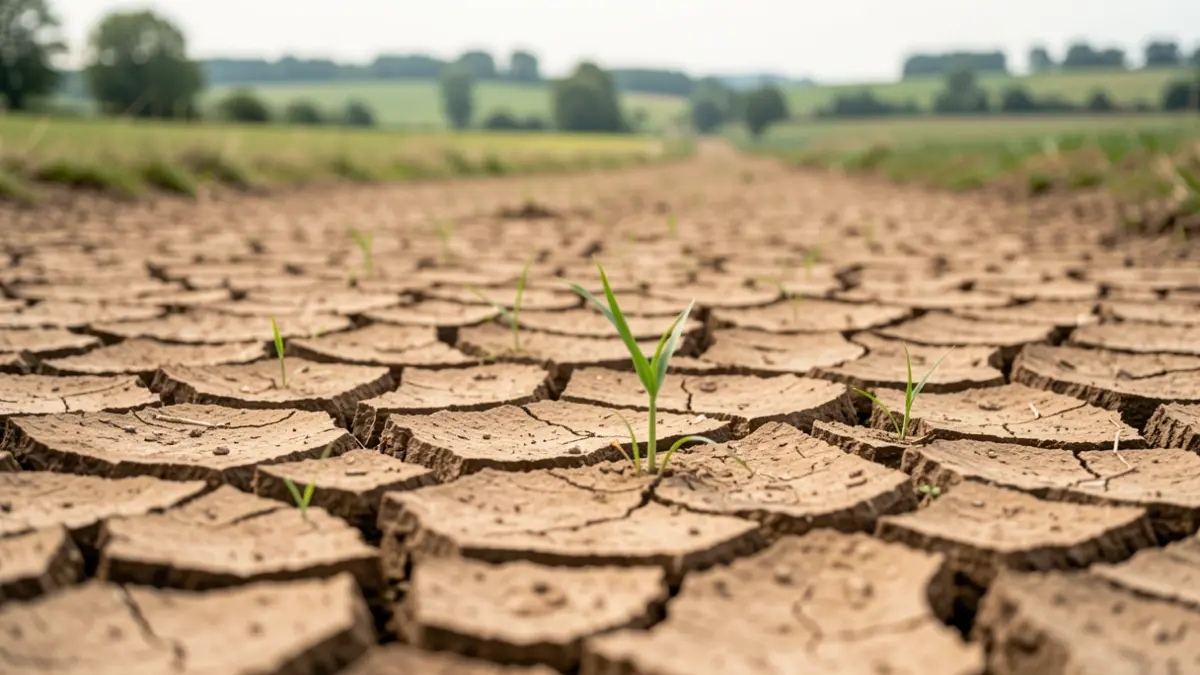
The provincial drought consultation, led by governor Jan Spooren, has decided to lift the temporary water withdrawal ban. This ban was implemented in mid-July due to the deteriorating condition of several waterways, which threatened to dry up with severe consequences for the ecosystems. However, recent rainfall has gradually restored the system, with minimum ecological threshold values now being met at most measurement locations.
Governor Jan Spooren stated: “It took a while for the rain to translate into higher water levels, but fortunately, we can now lift the temporary captation ban. Such bans are only imposed where strictly necessary and never longer than absolutely required. It is important that we rely on a scientifically substantiated framework. The fact that we had to wait so long this year to lift the ban is due to the exceptionally dry summer and the slow recovery of the water system.”
The permanent ban on water withdrawal from ecologically very sensitive waterways and ditches will remain in effect year-round.
More information and a map of the current drought measures can be found on the website of the Flemish government.