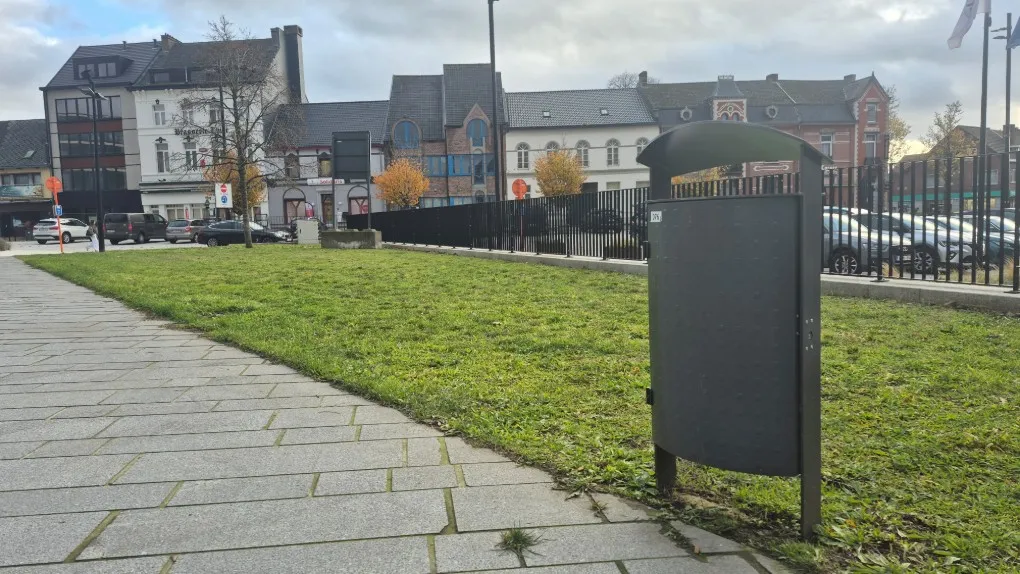
The study, approved by Mooimakers in May 2025, involved inventorying all bins with unique identification stickers and digital registration via the Mijn Mooie Straat application. Ten measurement weeks were conducted between September 2025 and July 2026, spread across the four seasons, with an average of 735 measurements per week.
According to Alderman for Environment and Sustainability Werner Janssen, the waste infrastructure is generally well-utilized. At the time of emptying, 47 percent of bins were half full, 28 percent full, 5 percent overflowing, and 20 percent empty. In 82 percent of cases, no illegal dumping was observed, with only 3 percent of measurements showing litter around the bins.
However, the data also highlights areas for improvement. Five bins were empty in over 70 percent of measurements, three of which are located at bus stops. These will be retained but visually checked weekly. Alderman for Public Space and Workshops Jessie De Weyer added that 12 other unused bins will be removed. Other locations showed structural misuse, with household waste found in bins in over half the measurements. The openings of these bins will be reduced to prevent the insertion of household waste bags, supported by a clear awareness message. Bins found to be regularly full or overflowing will be equipped with larger models to improve emptying efficiency.
Following physical adjustments in November 2026, a measurement phase of at least four weeks will assess whether fill levels stabilize and illegal dumping decreases. The final report to Mooimakers is scheduled for May 12, 2027.