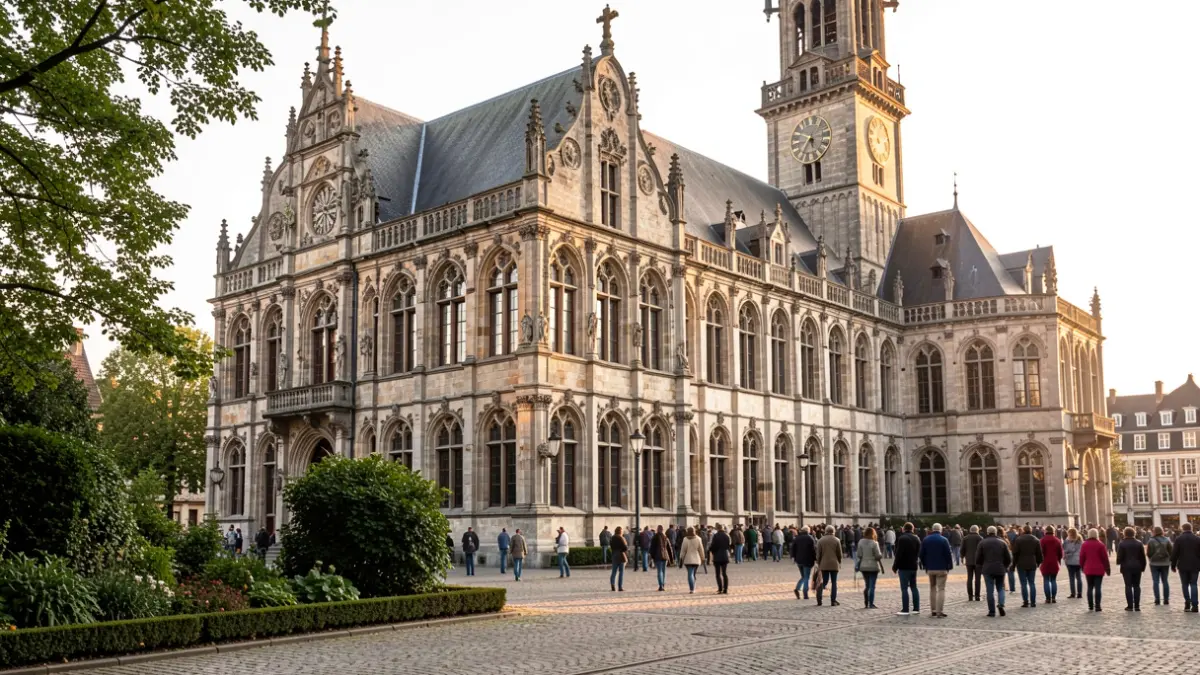
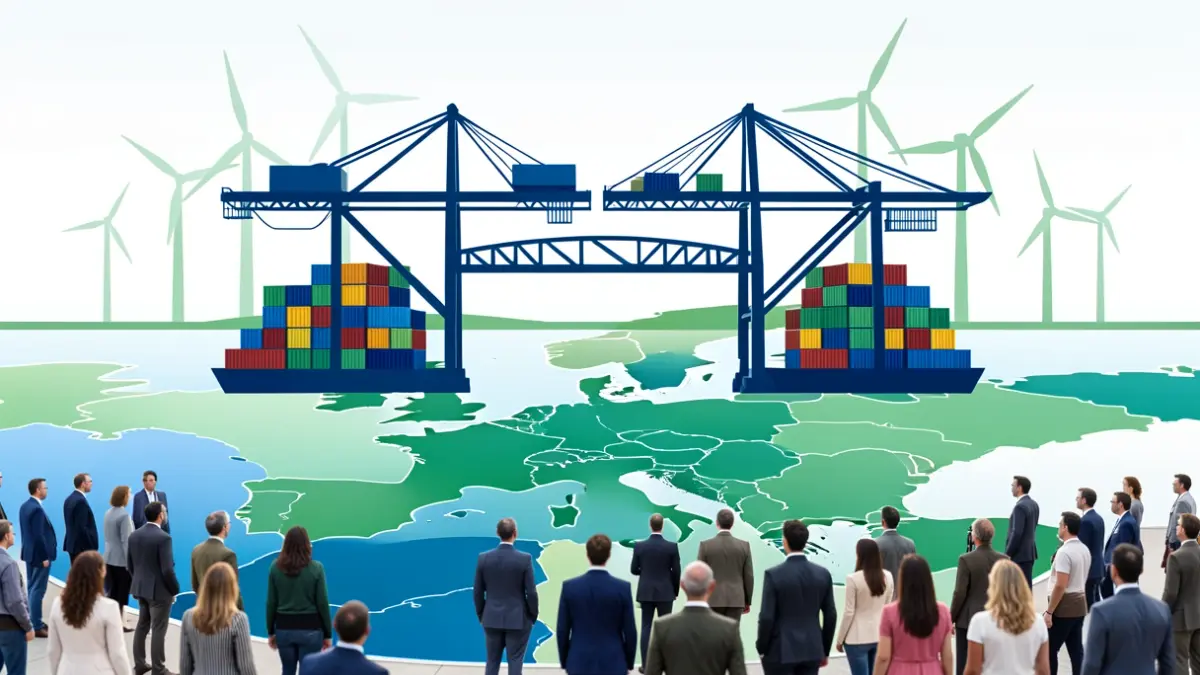
During the Port Summit at the Plantentuin in Meise, the competent ministers from Flanders, the Netherlands, and North Rhine-Westphalia, along with ports within the Antwerp-Rotterdam-Rhine-Ruhr Area (ARRRA), strengthened their cooperation. Participating ports include Duisport, North Sea Port, Port of Antwerp-Bruges, Port of Cologne/HGK, Port of Moerdijk, Port of Oostende, and Port of Rotterdam. The goal is to develop their port and industrial cluster into a strategic lever for prosperity, innovation, energy security, industrial transition, and European resilience.
The involved ports and the surrounding industrial area together form the largest economic and logistical hub of the European Union. By better aligning their infrastructure, knowledge, and industrial capacity, the partners aim to respond more quickly to the geopolitical and economic challenges facing Europe today. The competitive position of European industry is under pressure due to high costs and international competition, while the strategic importance of a strong European industrial base is increasing.
Flemish Minister-President Matthias Diependaele emphasized that the region is crucial for Europe's industrial future. He stated that this Port Summit sharpens cooperation with less fragmentation and more room for investments that make the economy resilient.
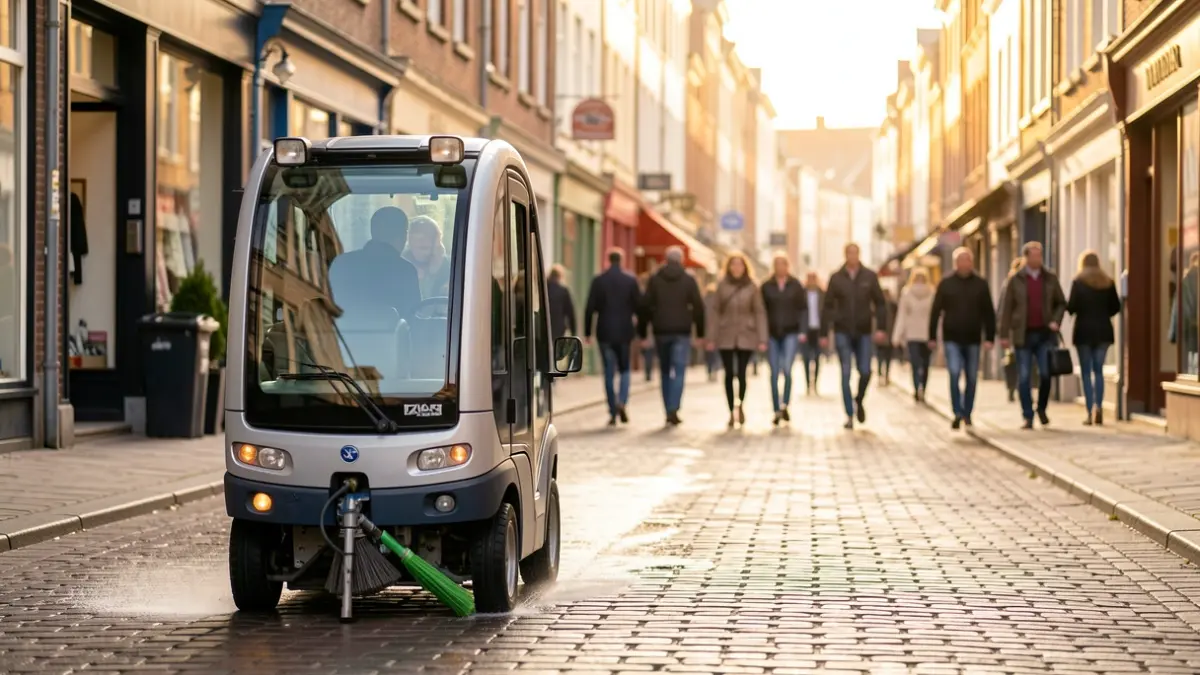
Four priorities were set: stronger circular value chains with a cross-border market for raw materials; accelerated development of energy infrastructure for CO2 and hydrogen; sustainable and resilient inland navigation focusing on water management and innovation; and innovative logistics through automated freight transport and drones.
Minister-President Rob Jetten and Minister dr. Marcus Optendrenk highlighted the economic importance of the ports and the potential of cooperation for free trade, clean industry, and circular innovation. They stressed that automated transport will only become a competitive advantage when rules are jointly established.
The agreements from the Port Summit will also be brought to the European level. Flanders, the Netherlands, and North Rhine-Westphalia are asking the European Commission to recognize the ARRRA cluster as a strategic European cluster and to accelerate the implementation of the European port strategy. They advocate for strategic cross-border infrastructure, clear regulations, a level playing field, and better financing for transition projects.