Veurne City is joining the initiative of the Province of West Flanders to compensate local CO₂ emissions through agricultural businesses. The city is investing in projects that store additional carbon in agricultural soils. The province is allocating 45,000 euros annually for five years for this purpose. Veurne City is committing to the compensation of 81.54 tons of CO₂.
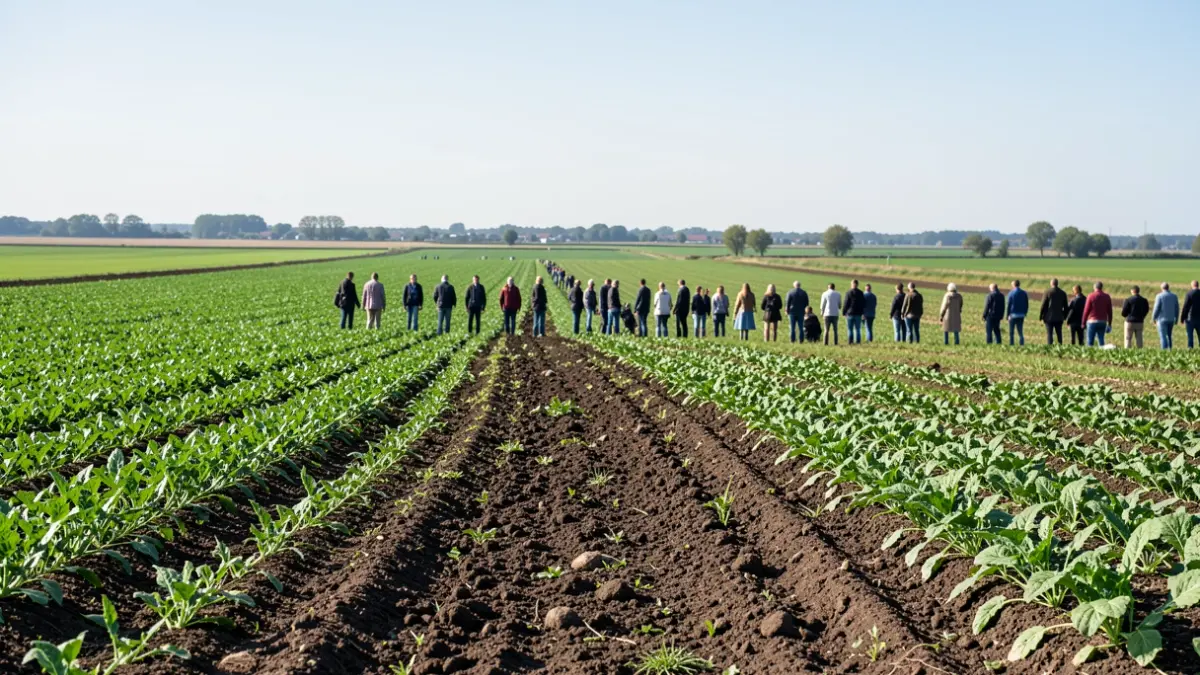
The projects support farmers who apply techniques to retain more carbon in their soil. This benefits the climate and improves soil quality, enabling it to better retain water during dry periods and allow rainwater to infiltrate more quickly during heavy rainfall.
The framework contract for this carbon farming has been awarded to CLAIRE CO₂, which collaborates with Inagro for the guidance of farmers in West Flanders. They will identify suitable agricultural businesses where these techniques can be implemented.
The CO₂ emissions from Veurne's municipal vehicles, which amounted to 22,597 liters of diesel, 2,128 liters of gasoline, and 5,602 kilograms of CNG in 2025, will be compensated. This equates to 81.54 tons of CO₂. The city is investing 7,338.79 euros for this, at a price of 90 euros per ton of CO₂. The compensation will span five years.
Through this choice, Veurne City strengthens its climate policy. The focus remains on reducing its own emissions as much as possible, but for emissions that cannot yet be avoided, the city is collaborating with local farmers. This investment supports farmers from the region and projects contributing to carbon storage, improved soil quality, and more climate-resilient agriculture.