
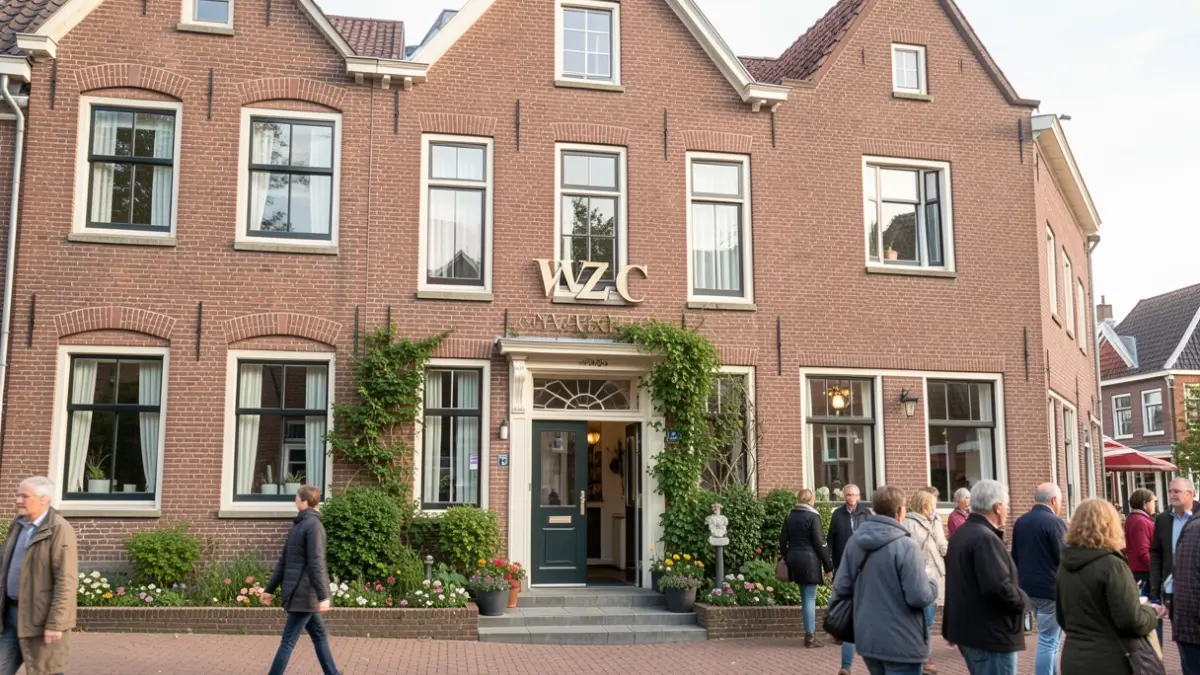
The care home WZC Huize Proventier has revised several regulations to further optimize resident care. Adjustments have been made to the written admission agreement and internal memorandum, partly following a visit from the Care Inspectorate. The entire admission process has been updated, featuring a simplified ranking system based on the Katz score (care dependency) and the connection to Poperinge. This latter criterion aims to provide appropriate recognition and care to residents who have contributed to the local community.
For new admissions, the admissions team reviews the waiting list. Candidates with the highest ranking are considered. In cases of equal ranking, priority rules apply, such as reuniting couples (where a partner already resides in the WZC) and previous applications that were granted priority. The age criterion as a separate scoring point has been removed, as age provides insufficient information about the necessity or urgency of an admission. This also applies to residents with dementia, who can be admitted to any of the six departments.
The updated regulation aims to enhance legal certainty and equal treatment for candidate residents. The expected implementation date for new agreements is November 1, 2026.
WZC Huize Proventier also recently adopted the 'Trialoog' (Trialogue) vision. This concept emphasizes collaboration between three parties: the resident (central, their life and home), family and loved ones (an essential link to 'ordinary' life and the past), and staff (providing professional care and support where needed). The center aims for residents to experience autonomy, connection, meaning, feeling at home, being themselves, and trust, viewing the care home as a community where everyone collectively shapes life.