In 2024, the City of Oostende joined the four-year project DECA (Delivering Effective Climate Actions). This European collaboration aims to find new solutions to address the impacts of climate change, emphasizing fair and inclusive climate adaptation. Partners across Europe share knowledge and best practices to tackle climate change equitably and sustainably.
The DECA project seeks to demonstrate how interregional cooperation can accelerate the transition to more climate-resilient areas. A recent study visit, organized by the Tartu Regional Energy Agency in Estonia, provided project partners, including the City of Oostende, with opportunities to explore inspiring examples of climate-resilient urban development. Visits to Jaamamõisa, integrating energy efficiency and green infrastructure, and the Raadi area with the Estonian National Museum, showcased how cultural heritage, biodiversity, and sustainable landscape design can mutually reinforce each other.
All DECA partners are working to improve their selected policy instruments, aligning acquired knowledge with local needs. For instance, the Energy and Climate Agency of Podravje (ENERGAP) is integrating nature-based solutions into Maribor's local energy and climate plan, with plans for small rain gardens. The Mazovia Energy Agency (MAE) is enhancing the management of European funds and incorporating adaptation priorities into future calls, starting with a pilot project for a firefighter training center.
The Tartu Regional Energy Agency (TREA) supports the Association of Municipalities of Tartu County in updating its energy and climate plan, with increased focus on rainwater management and inter-municipal cooperation. The County Administration of Kronoberg is strengthening the implementation of its Regional Climate Adaptation Action Plan by involving municipalities and promoting knowledge transfer. The Municipality of Roermond is revising its Integrated Green Vision, merging its Green Structure Plan and Mobility Plan.
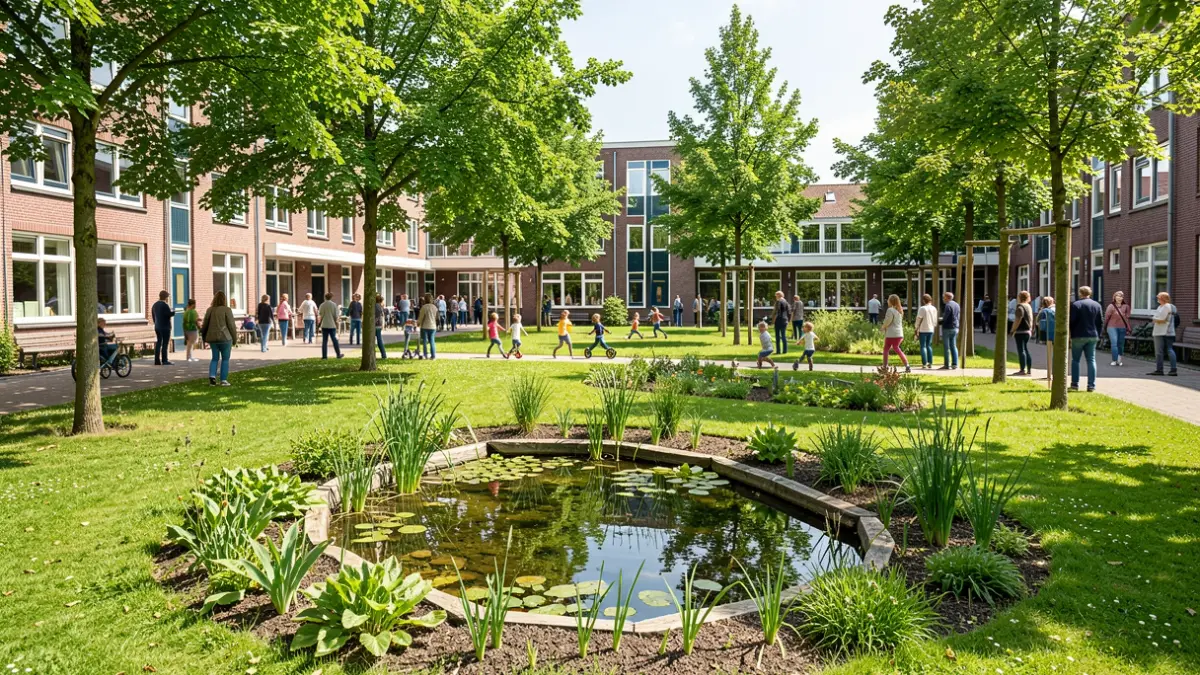
The City of Oostende is enhancing its Climate Adaptation Plan by transforming schoolyards into greener environments, with strategic objectives promoting biodiversity, urban cooling, and children's well-being. The Municipality of Lisbon is strengthening the climate adaptation aspect of its 'Lisbon Climate City Contract 2030' with adopted best practices. The Province of Treviso is assisting the Municipality of Silea in integrating climate adaptation into local spatial planning.
Within the DECA project, the City of Oostende aims to make ten schoolyards greener and more child-friendly by 2030. This involves developing greening plans, engaging pupils, teachers, parents, and neighborhoods, identifying funding opportunities, and organizing implementation. A project team has been established, and six primary schools have shown interest. For example, the Kunstacademie aan Zee is piloting a rain garden, and the Westdiep school received funding through the Flemish program 'Nature in your school'.
Through these actions, DECA helps Oostende translate climate adaptation goals into concrete, visible improvements that create greener, cooler, and more resilient environments for children and local communities. DECA is an Interreg Europe project assisting regions in developing effective and socially just climate adaptation policies.