The Municipality of Knokke-Heist confirmed that the coastal municipalities, together with the two regional landscapes, have reached an agreement. The goal is to preserve and restore biodiversity along the coast. The municipalities commit to no longer planting invasive plants, tackling existing growth sites, and choosing native alternatives. They also aim to raise awareness among residents about the impact of invasive plants.
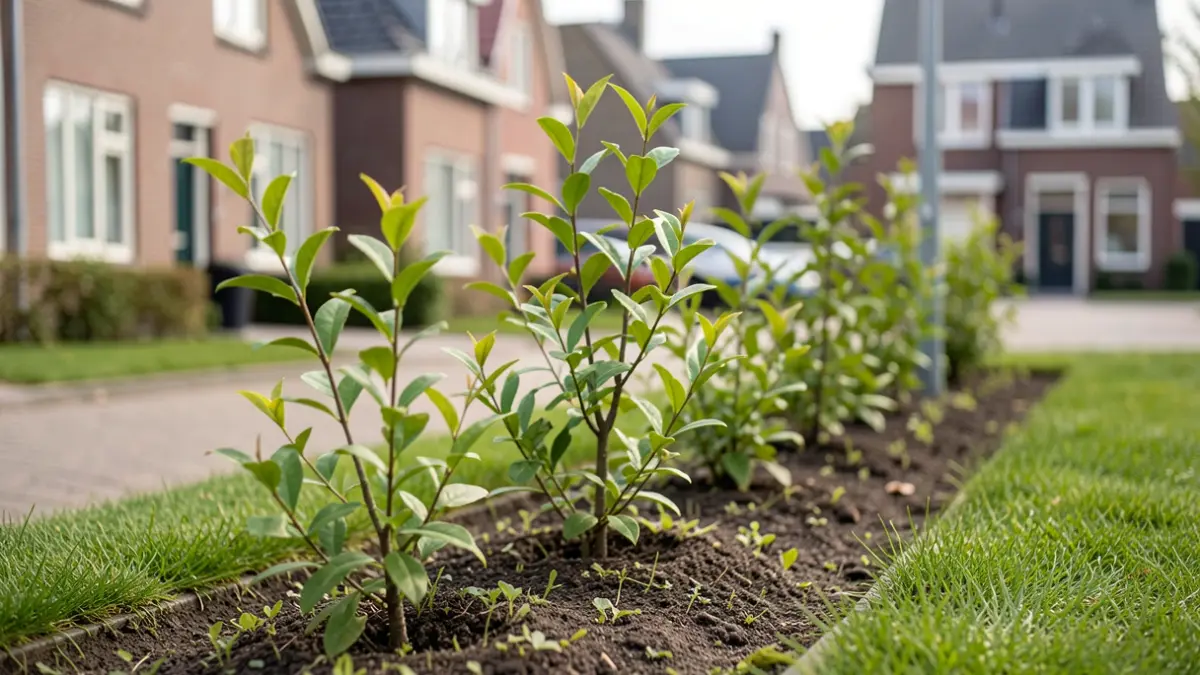
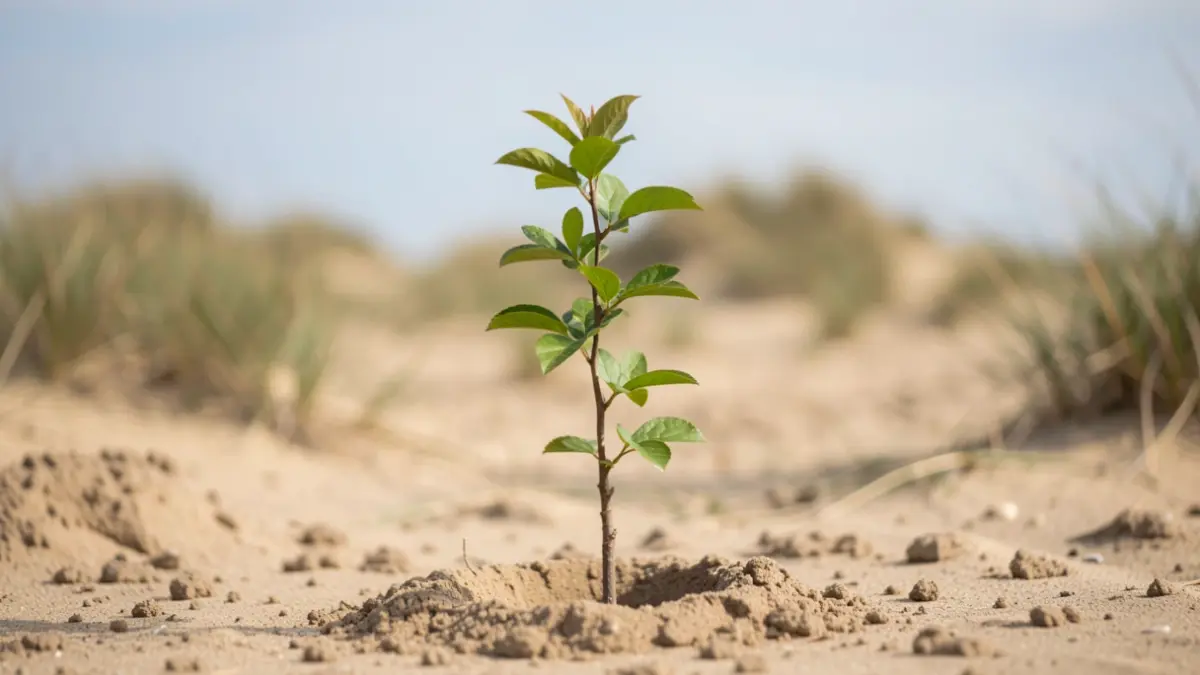
To make the commitment visible, each coastal municipality receives a native tree. These trees are planted in the municipalities and serve as a lasting symbol of the joint efforts. The presentation of the first tree took place at the Duin en Zee site in Ostend. Representatives of the involved municipalities, including the Climate, Environment and Nature department of Knokke-Heist, and the regional landscapes were present.
“"Who walks through our dunes and sees violets blooming or a small pearl-bordered butterfly fluttering by, is simply happy about it? It is fantastic that all coastal municipalities and regional landscapes are going along with this charter. Together we ensure that this special native dune nature gets all the chances."
The LIFE DUNIAS project works on the restoration of the Flemish coastal dunes by removing invasive plants. These plants spread quickly and displace native species, putting valuable dune nature under pressure. By tackling the invasive plants, native plants get space to grow again. In the framework of the project, more than 50 hectares of invasive plants have been removed in recent years.