The West Flemish Intermunicipal Association (WVI) is currently working on behalf of Stad Ieper (City of Ypres) on an integrated management plan for the Fortifications, Hoornwerkpark, and Wieltjesgracht. This plan will outline guidelines for the next 24 years to protect the heritage and natural values of the area while enhancing visitor experience. Water quality and fish stocks play a crucial role in this. The Agency for Nature and Forest is also developing an angling vision for the Ypres fortifications, among other areas. Up-to-date information on fish populations is essential, as the last comprehensive survey dates back about fifteen years.
Anglers have many questions about the state of the fish population, with some reporting fewer catches than before and wondering if additional stocking is needed. Others are concerned about the presence of certain species, such as carp and catfish, and their potential impact on the ecological balance. The planned water connection between the fortress moats and the Wieltjesgracht, via the Open-Air Swimming Pool, also raises questions about potential changes in fish populations. To obtain an objective picture, Stad Ieper has engaged the specialized Dutch research firm ATKB. From November 17 to 19, ATKB staff will survey the fish population in various parts of the Boterplas, Majoorgracht, Kasteelgracht, and Wieltjesgracht.
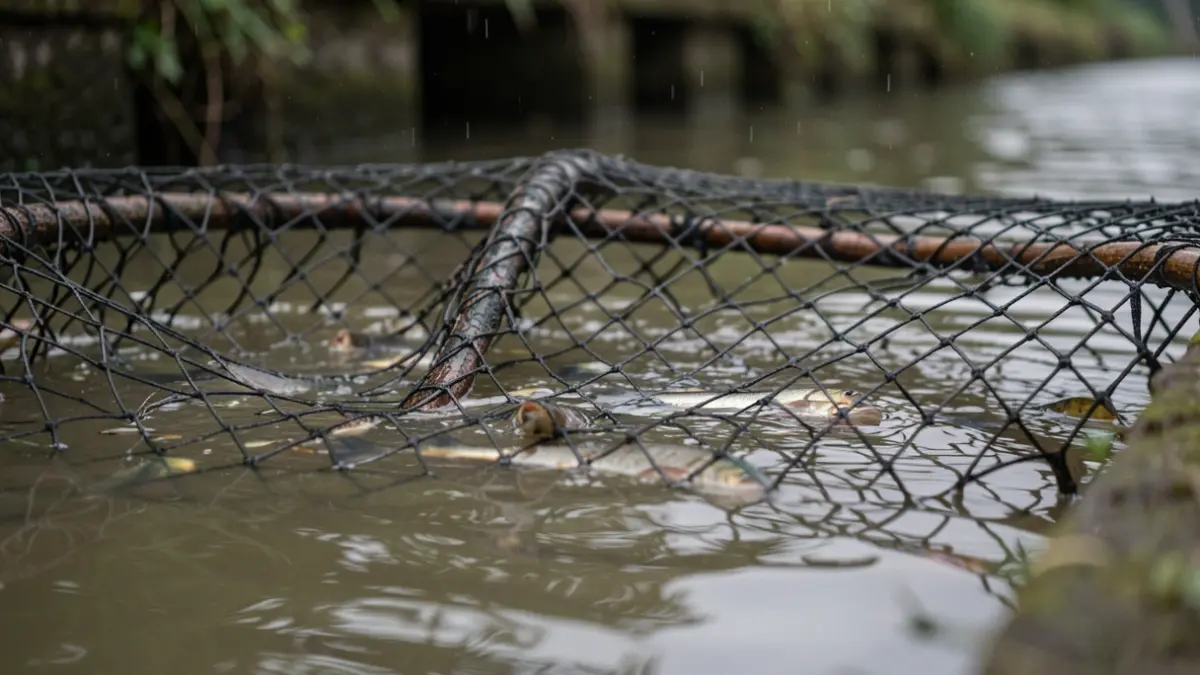
The research, conducted using electrofishing and seine netting, will record the species, number, size, and condition of the fish, which will be released back into the water after the inventory. The November research period was deliberately chosen with animal welfare in mind. Stad Ieper expects the research report with findings and recommendations by the end of 2026. The report will identify potential bottlenecks and indicate whether measures such as targeted stocking or limiting certain species are desirable. The results will be incorporated into the integrated management plan and the angling vision. Anglers will also be further involved in this process. Furthermore, a public consultation session will be organized in the spring of 2027 as part of the management plan's development.
During the survey, from November 17 to 19, a temporary angling ban will be in effect in the affected waters. Certain walking and cycling paths along the fortifications may also be temporarily less accessible. Stad Ieper requests visitors and anglers to give the researchers sufficient space and not to hinder the work. Observing the research from the bank is, of course, possible, as long as it is done from a safe distance.