This official protection emphasizes the beer's unique origin and traditional production method, closely linked to the South-West Flanders region. The PGI status opens new avenues for international promotion of this distinctive beer style.
The European quality label ensures that only breweries meeting specific conditions and producing within the arrondissements of Roeselare, Tielt, and Kortrijk, along with the municipalities of Kortemark and Ichtegem, can use the name Flanders Red Ale or Vlaams roodbruin bier. These conditions pertain to ingredients, taste, aroma, color, and the production process, thereby protecting the craftsmanship passed down through generations of West Flanders brewers.
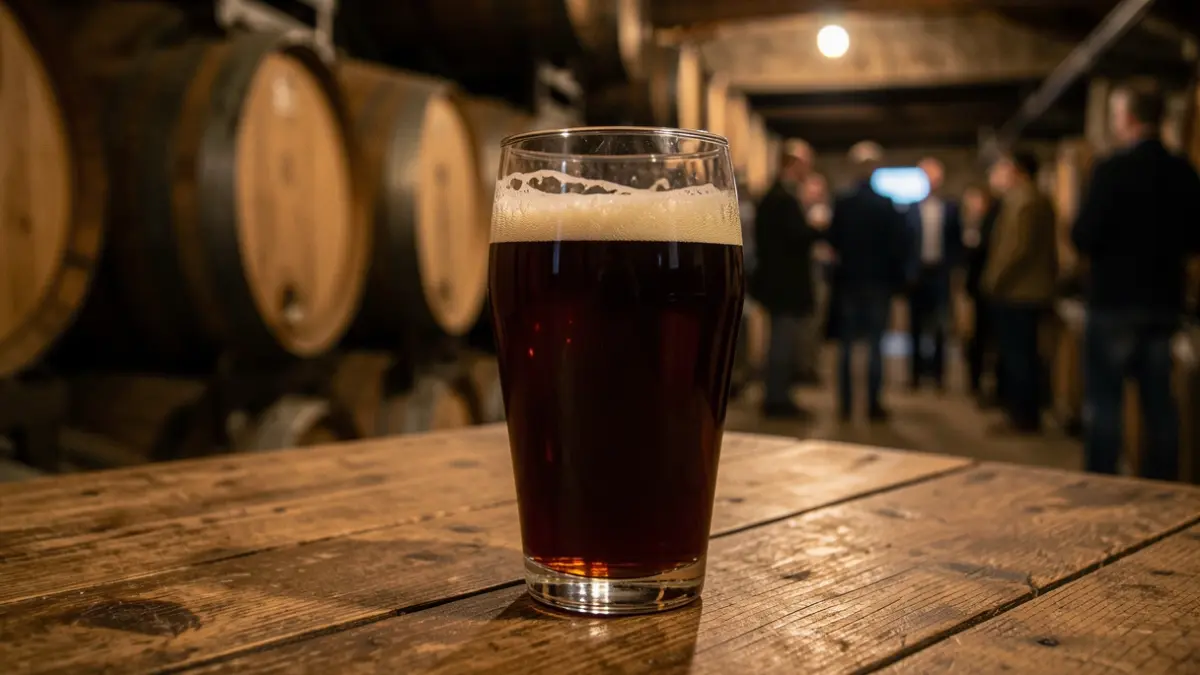
The character of Flanders Red Ale stems from its unique combination of mixed fermentation and long maturation in large oak barrels, known as foeders. Over months or even years, the beer develops a distinctive balance of fruity aromas, subtle sweetness, and refreshing acidity. The technique of blending various aged beers, sometimes with young beer, allows each brewery to impart its own unique profile.
Eight breweries – Brouwerij Rodenbach, Brouwerij Verhaeghe, Brouwerij De Brabandere, Brouwerij Omer Vander Ghinste, Brouwerij Strubbe, Kasteel Brouwerij Vanhonsebrouck, The Brew Society, and Brouwerij 't Verzet – collaborated over many years for this achievement. They worked alongside VLAM and the Agency for Agriculture and Fisheries to protect this special beer tradition.
The beer already holds recognition as a Flemish regional product, and the European protection now enhances its international profile. Notably, Brouwerij Rodenbach has been brewing red-brown ale since 1821, predating the existence of Belgium itself. West Flanders brewers persevered with their traditional methods even as lager gained popularity.