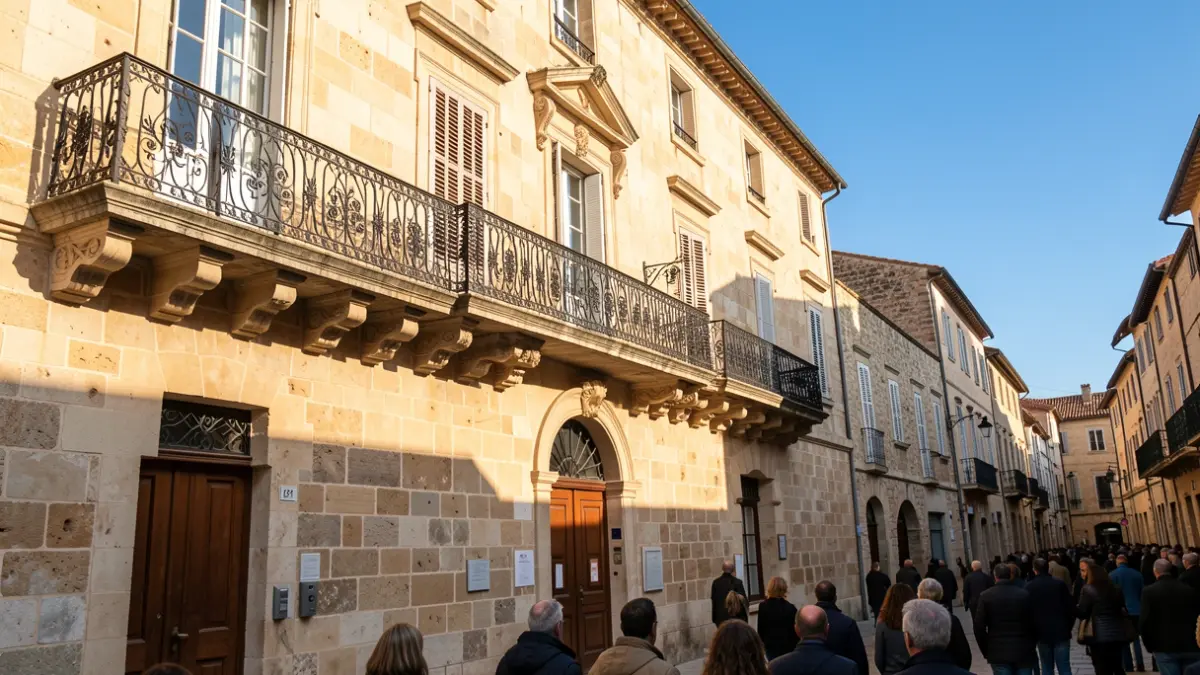
The Leuven city council has formally acknowledged the valuable architectural heritage in Wilsele-Dorp and Wijgmaal. A total of 32 buildings and structures have been added to the official inventory of architectural heritage. To mark this occasion, the owners of a property on Watermolenstraat in Wijgmaal opened their home to the public.
This inventory identifies buildings and structures possessing significant historical, architectural, urban planning, or socio-cultural value. The city conducted thorough research, consulting old building permits, historical photographs and maps, and various literature sources. The assessment considered not only the current appearance but also the history and importance of these elements to the development of Wilsele-Dorp and Wijgmaal.
Alderman for heritage, Dirk Vansina, emphasized the importance of this documentation. "Buildings tell more than you might initially think. They illustrate how these villages grew, where people lived and worked, and what life was like in the past. By understanding and officially recognizing this heritage, we can manage it more carefully together with the owners."
The residence at Watermolenstraat 4, the site of the press event, is part of the historic Remy factories' heritage in Wijgmaal. Starting in 1855, the Remy family developed its factories and, in the following decades, built dozens of homes for workers and employees, a new church, and community facilities, making Wijgmaal unique in Flanders. This bourgeois house, built around 1875, served as an employee residence and is characterized by refined architecture, similar to villas along Remylaan and employee houses on Watermolenstraat.
Following the inventory, the selected architectural heritage was formally designated, after a public consultation and in accordance with the procedures set out in the Heritage Decree. This designation does not grant protected monument status but does officially recognize the heritage value. This recognized value will be considered in future works and spatial development and permit processes.
Alderman Vansina explained: "This designation does not mean valuable buildings must remain untouched. We primarily want their heritage value to be known when plans are made for the building or its surroundings, providing owners, designers, and the city with a better starting point for making sound decisions together."
As a recognized heritage municipality, Leuven is working towards a comprehensive inventory of all architectural heritage within its territory. Following earlier inventories in the city center of Leuven and Heverlee, the inclusion of Wilsele-Dorp and Wijgmaal represents another significant step. Future inventory efforts will focus on Wilsele-Putkapel and Spaanse Kroon.