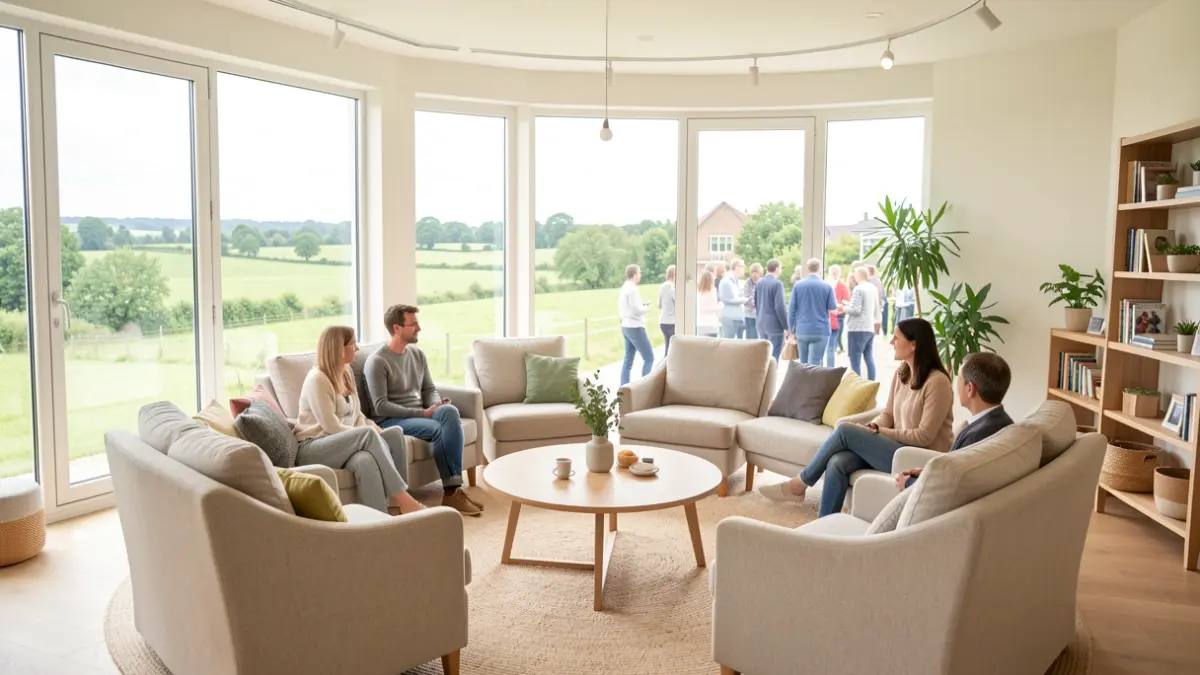
Not everyone needing mental healthcare benefits from residential psychiatric care. In such situations, or when admission is no longer indicated, patients can receive further follow-up and stabilization through outpatient care at Kintsugi, the psychiatric day hospital of AZ Sint-Maria. In observance of the Ten Days of Mental Health, a behind-the-scenes look is offered at this unique approach.
Kintsugi, located near the Psychiatry nursing unit, offers intensive group therapy during the day, with patients returning home in the evening. The aim is to shorten or prevent admission as much as possible, facilitate the transition to the home situation, and create (re)connection. The name refers to the Japanese art of repairing broken pottery with gold, symbolizing the beauty of imperfection and the strength of recovery. Patients are encouraged to acknowledge and heal their emotional wounds in a safe environment.
Anyone aged 18 years or older experiencing psychological difficulties such as depression, anxiety, or addiction can apply for outpatient support. Those who have temporarily lost their mental balance after a psychological decompensation also receive the necessary tools here to reconnect with their living environment. As Kintsugi opts for group therapy, social cohesion, and the exchange of insights, safety is paramount. Therefore, a crisis situation must no longer be present. All group members must be stable and possess sufficient cognitive abilities. Participation under the influence of alcohol or drugs is not permitted.
Kintsugi offers two group formats for a maximum of 8 to 10 participants. One group focuses on self-care, change, and recovery through structuring and therapy, meeting twice a week for an average of three months. The other group focuses on maintaining psychological stability and socialization, meeting once a week to work on social contacts and connection. One group recently independently organized a holiday to Spain for some members.
Clinical psychologist Adeline Urbain explains that the approach is based on a solution-focused and behavioral therapy framework. Participants attend two blocks of psychotherapy daily, where they collaboratively seek solutions with the therapist for challenges encountered at home or work. Psycho-educational sessions provide practical tools such as goal setting, realistic planning, managing difficult emotions, anxiety, or sleep problems. Occasional mindfulness sessions, brisk walks, or psycho-educational games offer meaningful variety.
Occupational therapist Veerle Volders explains that the other half of the day is dedicated to occupational therapy. Various activities are offered tailored to individual needs, such as creative therapy (drawing, painting, dance, music) for those who struggle to express emotions verbally, and structured activities like time management and bullet journaling to help people structure their daily lives and home environment. Relaxing leisure activities such as watercolor painting, hand lettering, and wood burning promote inner peace.
Ambulant support can be requested by calling 02 363 66 72. After an intake interview with a psychologist and/or psychiatrist, a multidisciplinary decision is made regarding participation eligibility and group placement. The change-oriented group meets twice weekly for an average of three months, while the social-oriented group meets once weekly for a trajectory that can last up to a year.