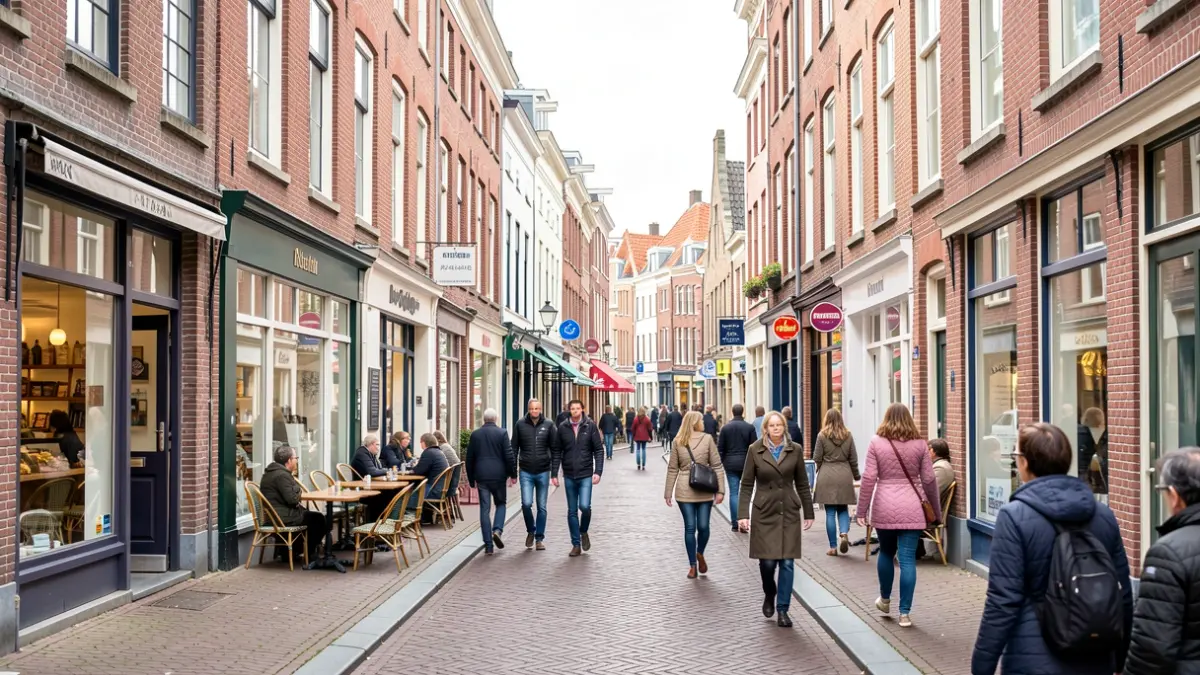
Halle is aiming for a compact and vibrant shopping area by offering more flexibility for commercial properties. In addition to the traditional functions of shops and horeca, other uses such as offices, crafts, or liberal professions may also be accommodated in the future, provided they meet clear conditions. This policy aims to help the city better respond to the evolving needs of the shopping area.
When assessing applications for functional changes, the city will consider the added value for the experience and footfall in the shopping area. In the so-called 'feeder streets', which form the transition between the core shopping area and residential neighborhoods, more space will be allocated for a combination of retail and housing.
These new guidelines are particularly important for new construction projects and applications for changes in property use. Existing residents on the ground floors of the core shopping area may continue to live there. The city will assess, based on the property's location, whether a functional change, for example from retail to daytime recreation or housing, is appropriate.
Lembeek will also have a defined core shopping area around Claesplein, with parts of De Lannoystraat, Stationsstraat, and Stevens-de Waelplein designated as feeder streets. This policy-desired development (BGO) aims to reduce vacancy, achieve a balanced economic mix, and enhance commercial dynamism, experience, and attractiveness. The municipal council has been informed of the demarcation and the urban planning conditions.