Students in the English-taught bachelor's program in International Business Management (Marketing) at UCLL in Leuven are currently applying their marketing knowledge to local and national non-profit organizations. In the Integrated Marketing Communication course, they work on assignments for real clients instead of fictional cases. This provides authentic learning experiences and introduces them to the social aspect of their new home city, preparing them for internships and future careers.
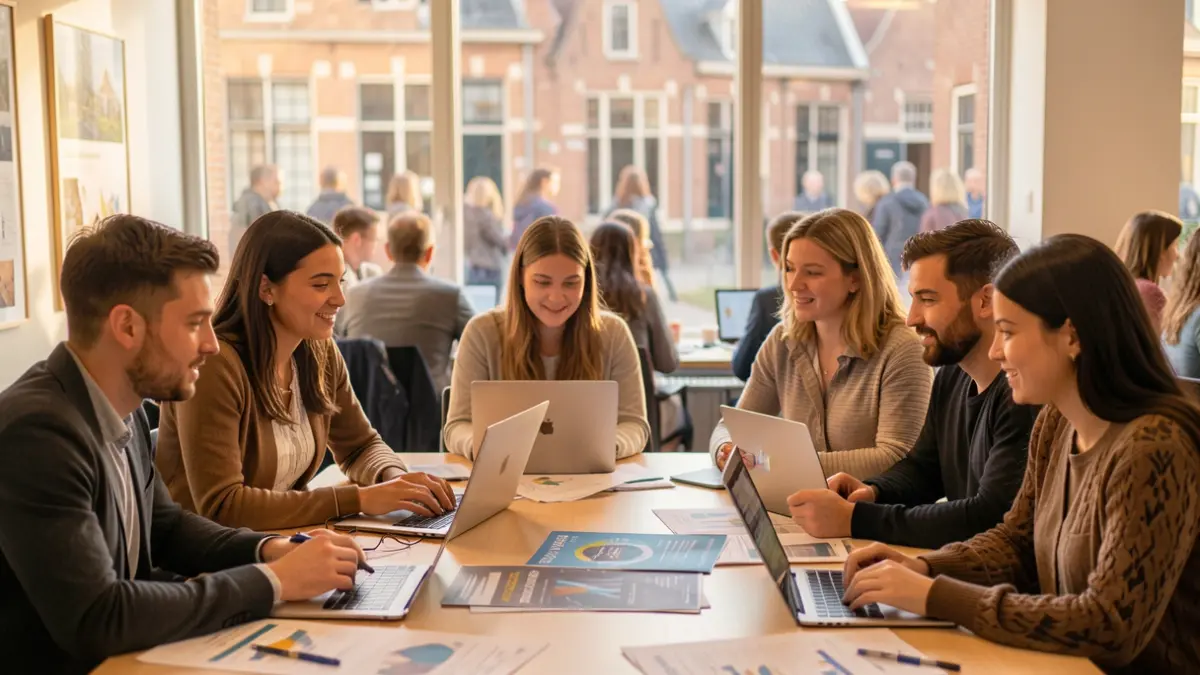
During the Integrated Marketing Communication course, part of the third year of the English-taught program, students receive a briefing from their assigned organization. They analyze the organization and its target audiences, then develop a communication strategy with concrete actions and channels. Finally, they present their plans, including actionable advice, to the organization itself for potential implementation.
This academic year, students are working with organizations such as the Unique Regenbooghuis in Leuven, Parcum (the organization behind the Abdij van Park), Landelijke Gilden, and Kempens Landschap.
Jessica Van Humbeeck, a Marketing lecturer at UCLL, emphasizes the value of realistic environments: “Our students learn best in a realistic setting. A real client asks real questions, often has a limited budget, and expects a plan that works. That's exactly what they will encounter in their internships and professional lives.” She adds that choosing non-profit organizations compels students to think socially and broaden their perspectives, as they are promoting a mission rather than a product.
For many international students, this project marks their first encounter with the local Flemish community life and social organizations in Belgium. They discover the motivations of organizations operating with volunteers and limited resources, and learn how to communicate effectively for them. Dina De Cuyper, program manager for International Business Management at UCLL, states that the program aims to cultivate global citizens who are not only strong in business but also open and socially engaged. Collaborating with local non-profits helps international students build a connection with their study location while giving back to the community, embodying authentic learning.
Student Nikki, working with Parcum, describes it as “the real deal,” where the team takes full ownership of a project, going through all the steps a marketing agency would, from client meetings to the pitch. She considers it the most practical course she has ever taken.
The collaboration also offers significant added value for the participating organizations. Non-profits often have limited time and budgets for marketing communication. The students bring a fresh, international perspective and concrete ideas. Marleen Jans, Director at Ankerpunt VZW in Leuven, appreciates the international students' focus on their organization and the insights they provide into the challenges and opportunities of a non-profit.
The press is welcome at the intermediate pitches on November 25 (3 PM-5 PM) or one of the final presentations on January 4, 2026 (the latter date is subject to change based on the exam schedule).