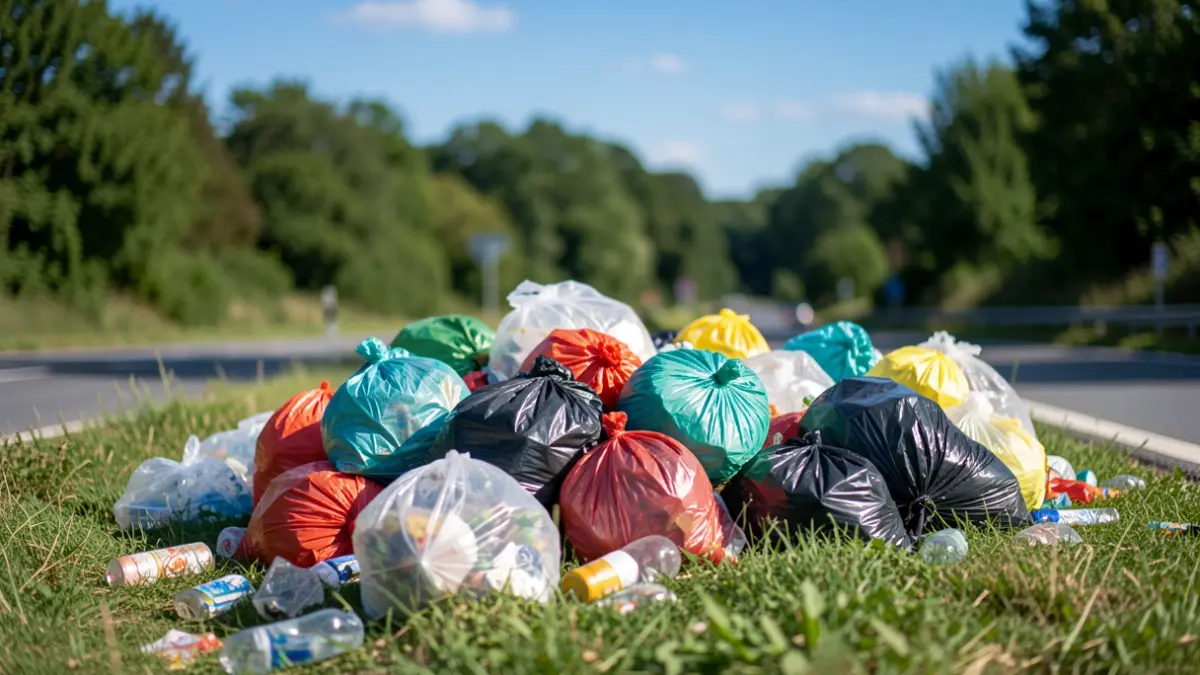
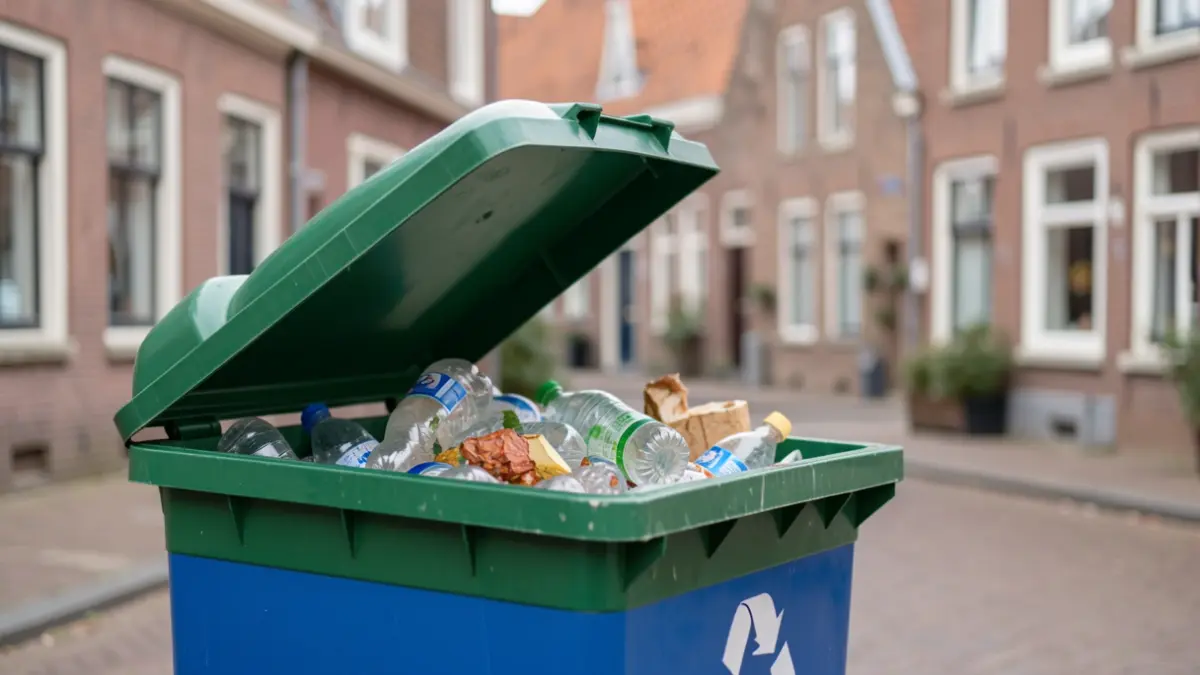
A residual waste sorting analysis by EcoWerf in 2025 revealed that only 39% of residual waste is correctly sorted, with much recyclable material being lost. To encourage residents to sort more consciously and effectively, the collection frequency is being adjusted. Those who sort correctly will have less residual waste. This change also means fewer collection trucks, leading to less traffic, noise pollution, and a reduction in CO2 emissions.
EcoWerf notes that many residents do not put out their residual waste bin every two weeks, or that the bins are often not full when they are presented. For them, little will change in practice. However, if a bin is full after two weeks, EcoWerf offers options for larger containers (40, 120, or 240 liters), which can be requested via the online contact form or by calling 0800/97 0 97.
From January 2027, residents can also bring their residual waste to the recycling center in Bertem. During temporary closures, Herent and Kortenberg will be available. Residual waste can be brought in 30-liter bags (2 euros per bag) or via a DifTar weight park (0.40 euros/kilogram). Additionally, existing underground sorting stations in Bertem (Sint-Medardusstraat near Rapidpark and the Het Blok parking lot) and a new one in Leefdaal (corner of Dorpstraat and Vlieguit) will be opened to residents. These facilities are accessible 24/7 using an eID, at a cost of 0.40 euros/kilogram.
Good sorting pays off, as residual waste is the most expensive type of waste. Materials like PMD (plastic, metal, drink cartons), paper-cardboard, glass, and textiles can be offered more cheaply or even for free. Since 2024, GFT (vegetable, fruit, and garden waste) may no longer be thrown in with residual waste. More sorting information is available at www.ecowerf.be/sorteerwijzer.
Further information regarding this change in collection frequency will be provided soon. The three-weekly collection will also be indicated on the waste calendar distributed in December.