The municipalities of Bertem, Huldenberg, and Oud-Heverlee face similar housing challenges. The demographic composition is changing, with a strong increase in single- and two-person households, while the housing supply mainly consists of single-family homes and the share of social and private rental housing is limited. Affordability is under pressure, making it difficult for young starters, families, the elderly, and vulnerable groups to find suitable housing.
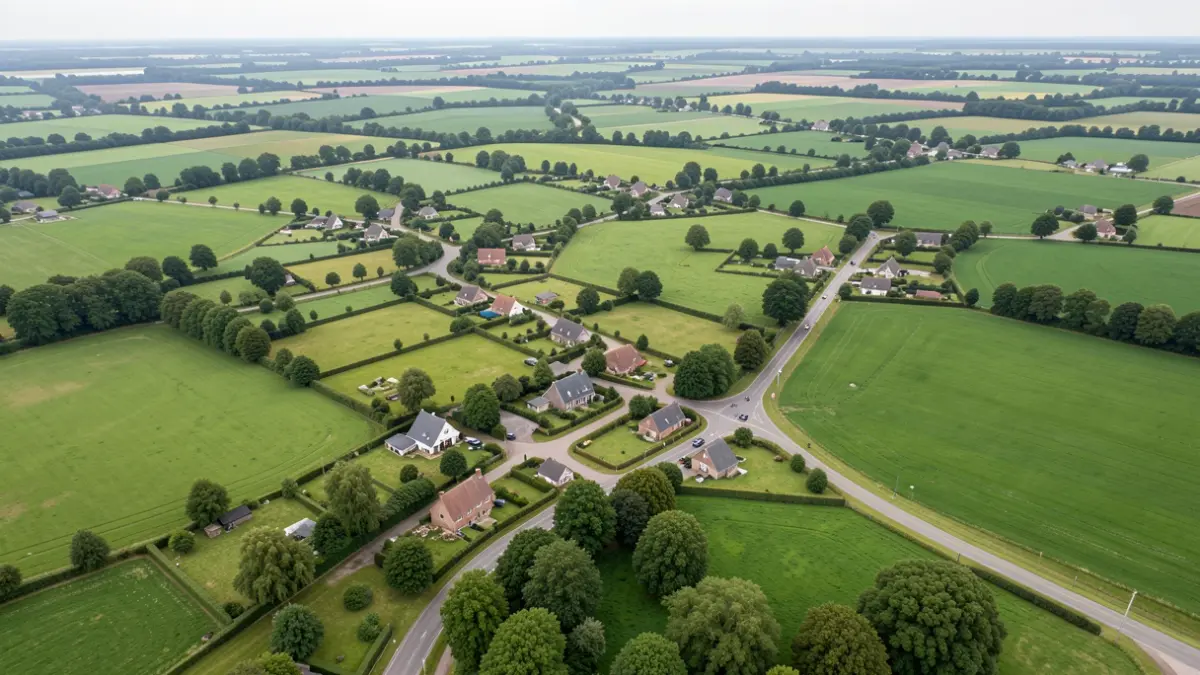
To address these challenges, the three municipalities, in collaboration with the province of Flemish Brabant and within the strategic project WALDEN, are launching a joint housing study. This study links future housing needs with core strengthening and landscape protection. The goal is not only to analyze housing demand and supply but also to determine spatially desirable locations for additional or adapted housing, suitable housing typologies, and how new housing solutions can strengthen village cores, with attention to landscape, relief, water structures, and sustainable mobility.
The study looks beyond new developments. It will investigate how existing, well-located homes and buildings can be better utilized, including addressing vacancy, under-occupation, repurposing, housing rotation, and the temporary or permanent division of existing homes. Solutions will also be explored for less favorably located homes. New housing concepts, shared facilities, and a diverse, affordable housing supply are central, aiming to promote housing market mobility and allow residents to remain in their familiar environment throughout their lives.
The results of the housing study, which looks ahead to 2040, will lead to a preferred scenario for accommodating expected population growth in a spatially responsible manner. This scenario will be translated into a housing policy framework and an action program with concrete spatial and housing instruments, such as municipal spatial policy plans and spatial implementation plans. The study, with a budget of 160,000 euros, is co-financed by the province of Flemish Brabant (50%).
The execution of the assignment has been entrusted to Sweco, along with Maat-Ontwerpers, Plusoffice, Ruimtevaarder, Leidsman, and Land Advocaten. The framework agreement runs for four years and includes possible follow-up assignments, under which the city of Leuven can also award contracts. This integrated approach aims to ensure knowledge building, efficiency, and continuity in housing and spatial policy. The housing study is part of the second project period of the strategic project WALDEN, which focuses on the revaluation of the landscape.