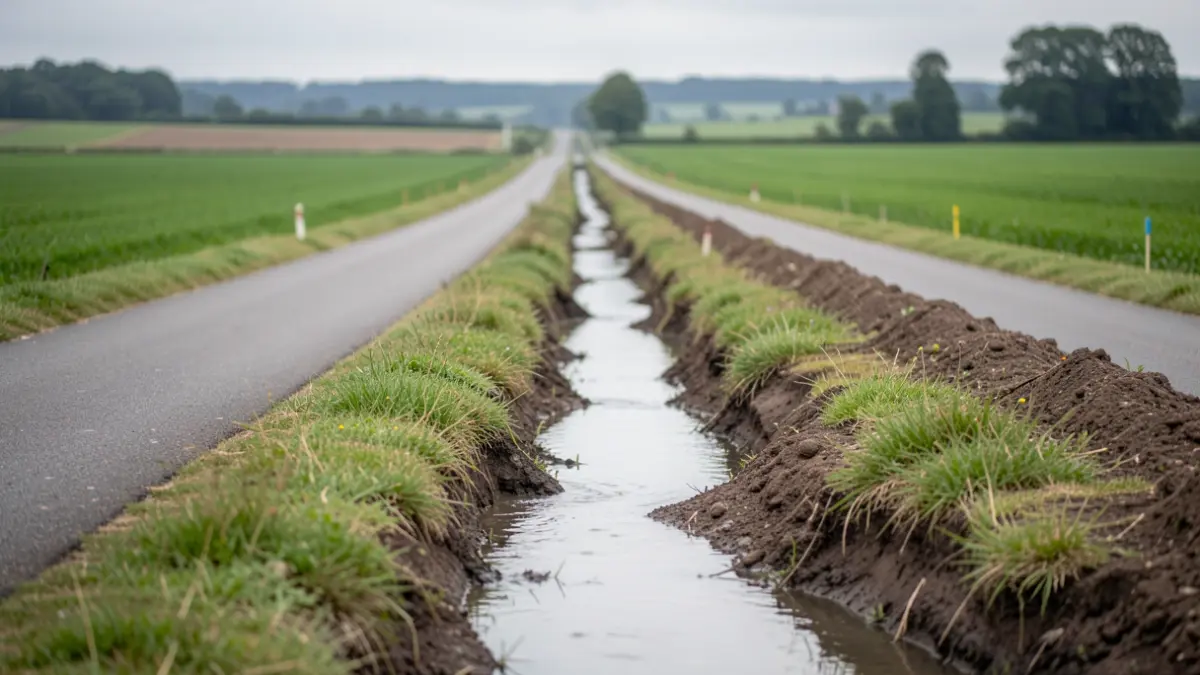
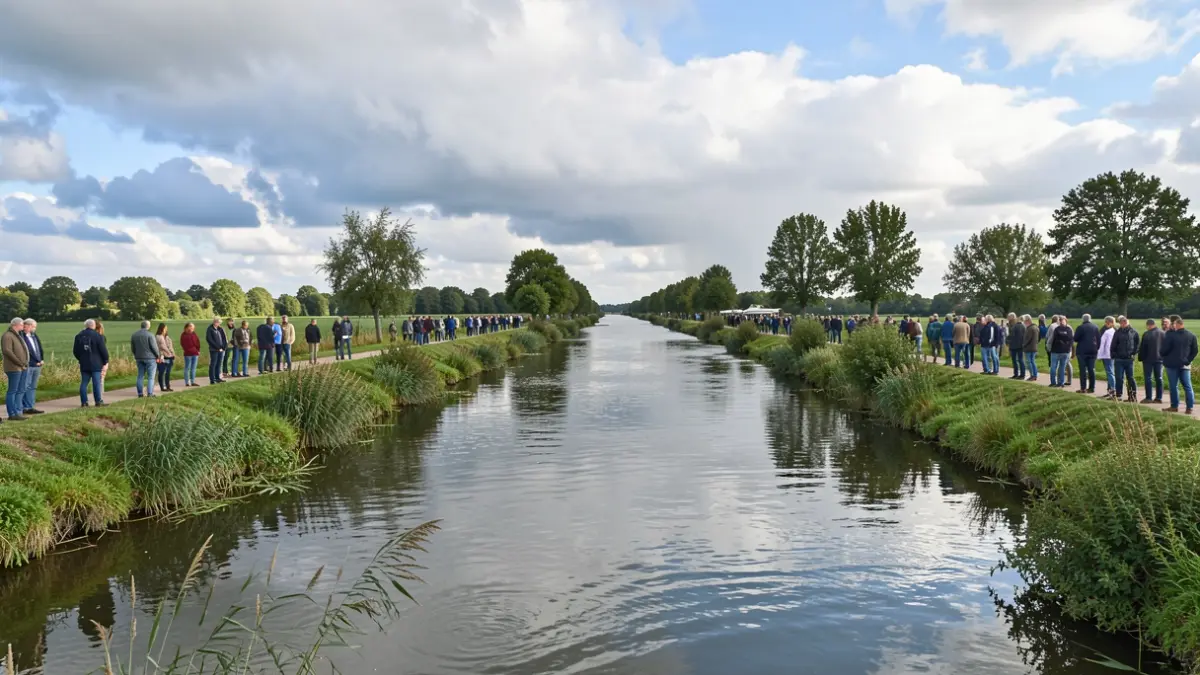
The summer of 2026 was marked by exceptionally high temperatures and a prolonged dry period, with little rainfall in July, August, and September. This caused water levels and flows to drop significantly, resulting in withdrawal bans in various zones. However, increased rainfall in late October has led to recovery in many locations.
In 43 withdrawal zones, the recovery is now sufficient to lift the temporary ban effective November 10, 2026. In the remaining zones, water levels and flows are still too low, and the ban continues. A detailed list of the affected zones is available.
For ecologically sensitive watercourses in 16 zones, a semi-permanent withdrawal ban will remain in effect until November 30, 2026, due to their limited flow and water availability.
Exceptions to the ban include pasture pumps for watering livestock and withdrawals by emergency services in critical situations. Filling sprayers for crop protection products is also permitted under specific conditions.
Individuals affected by the ban can still withdraw water from other watercourses in East Flanders, which may require a permit, authorization, or notification. Further information can be found on the Flemish government's water management website.