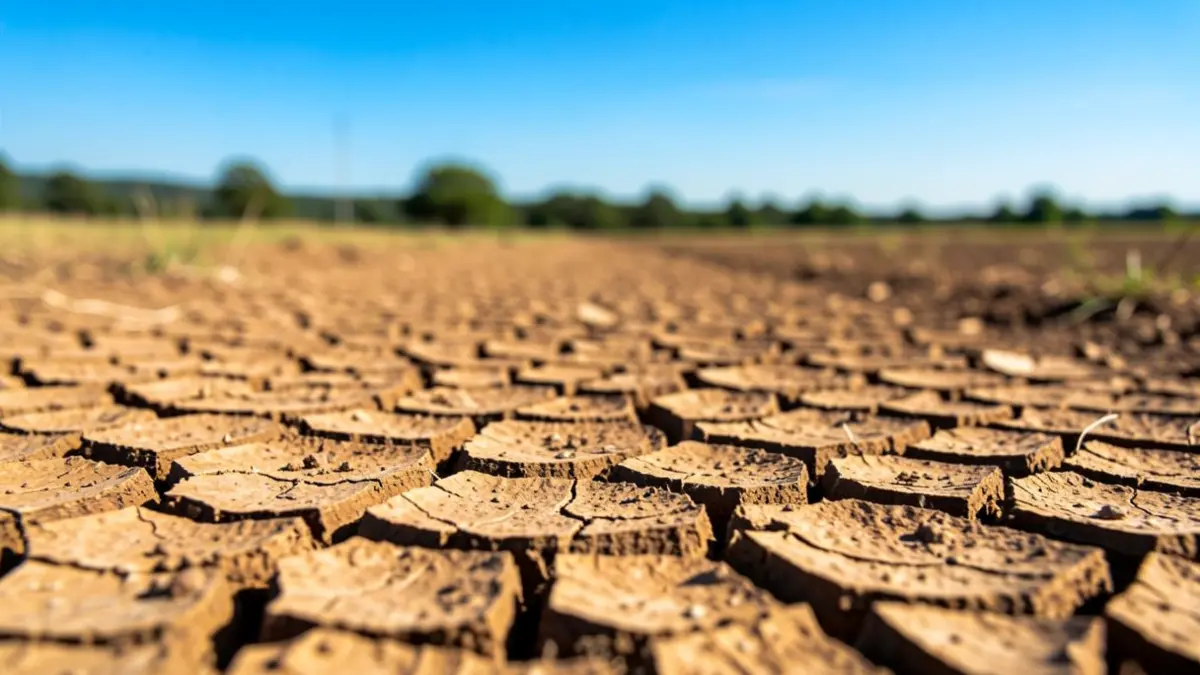
The exceptionally hot summer and dry start to autumn kept flow rates and water levels very low for a long time. Thanks to recent rainfall, the situation has improved noticeably. Ecological thresholds are being met again on most non-navigable waterways, and higher values are being recorded on navigable waterways. Although levels may temporarily drop, prolonged breaches of critical thresholds are no longer expected.
However, recovery is not yet complete. Groundwater levels are lagging behind; many monitoring points are still low to extremely low for this time of year. Salinization in the IJzer basin, the Bruges Polders basin, and the Ghent Canals basin has decreased significantly. Increased values are still recorded at about a quarter of monitoring locations. Most blue-green algae hotspots have meanwhile disappeared.
Most drought measures have been lifted. Only in East Flanders are there still some temporary extraction bans, which are expected to disappear next week. Water companies invested in additional production capacity, stronger connections between drinking water networks, and alternative sources in recent years. Thanks to continuous monitoring, tap water supply remained secure and is now green in all supply areas.
Code green means normal management, but after the prolonged drought, water reserves are not yet fully restored everywhere. It is important to capture rainwater and let it infiltrate into the soil during winter. This allows groundwater reserves to replenish and builds a buffer for the next dry period. More information is available via opdehoogtevandroogte.be.