By 2031, the participating municipalities aim to better protect their trees and utilize them as natural allies against heat and other consequences of climate change. With "Climate Trees in Limburg 2.0," the province of Limburg offers municipalities an intensive support program, including tailored advice from tree experts, training, GIS support, and practical tools.
The project focuses on three key areas: systematic planning for climate trees, planting the right tree in the right place with attention to climate-resilient growing conditions, and recognizing and protecting mature trees as valuable infrastructure within municipalities. The previous project, "Climate Trees in Limburg 1.0," already saw significant steps in managing the tree heritage, but the 2025 final evaluation indicates there is still work to be done.
Laura Olaerts, Limburg's Deputy for Nature, emphasizes the importance of urban greenery for nature and climate adaptation: "Trees provide cooling and shade; de-paving combats waterlogging. We want to help municipalities strengthen the link with other policy areas." The provincial climate tree list has been expanded from 100 to 300 tree species suitable for Limburg's urbanized environment.
Over the next five years, the focus will be on increased species knowledge and higher-quality growing sites. "The right tree in the right place means paying attention to the space a tree needs, both above and below ground," stated Laura Olaerts. There is a call for climate-resilient growing sites that are minimally disturbed by infrastructure or paving.
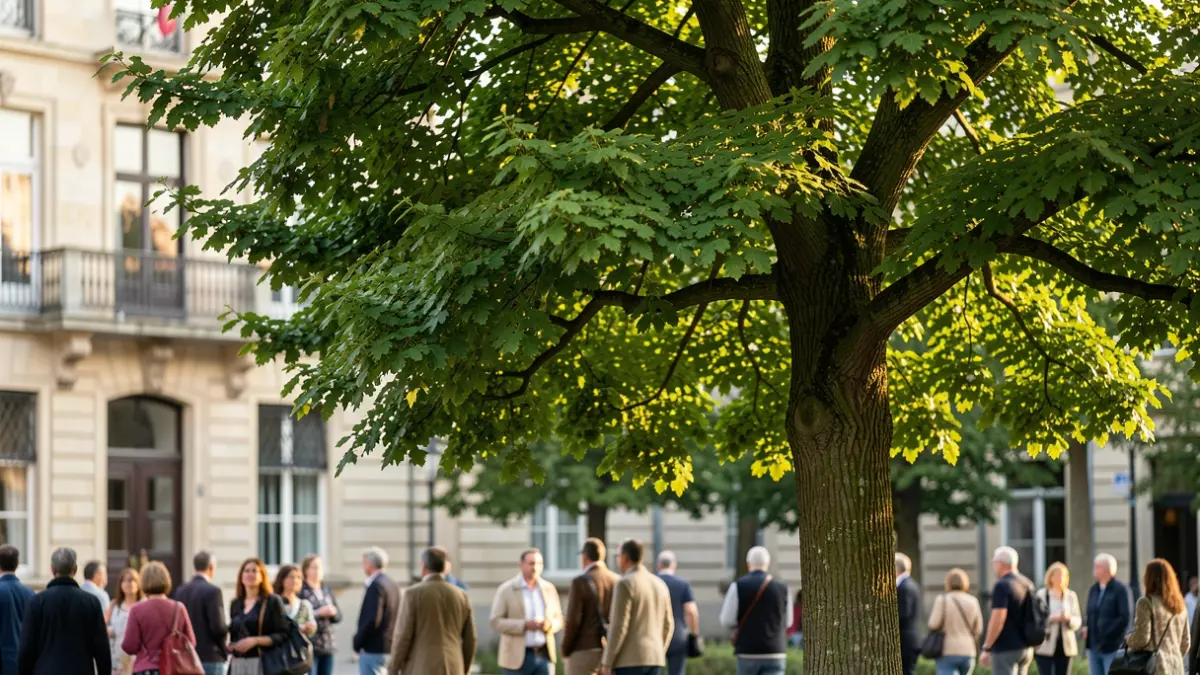
Mature and large trees play a key role in liveable and climate-robust municipalities. "Due to their large green volume, they are crucial for the liveability and climate adaptation of our cities and towns. Therefore, we must protect trees maximally during works and events," emphasizes project manager Ilse Van Aelst. Tree-friendly design and the use of tree impact analyses and protection plans are essential.
Climate Trees in Limburg 2.0 offers municipalities a broad support package, including process guidance, specialized expertise, GIS support, practical tools, a framework contract for tree research, training sessions, and an online knowledge platform. The province is investing 190,000 euros annually in the project over the next five years.