Between 2013 and 2025, land use in Limburg increased from 29.2 percent to 30.6 percent. The share of land use in the total area also rose in the other Flemish provinces. However, the share remains lower in Limburg than in three other Flemish provinces. It is only lower in West Flanders (26.9 percent), while Antwerp scores highest (39.3 percent).
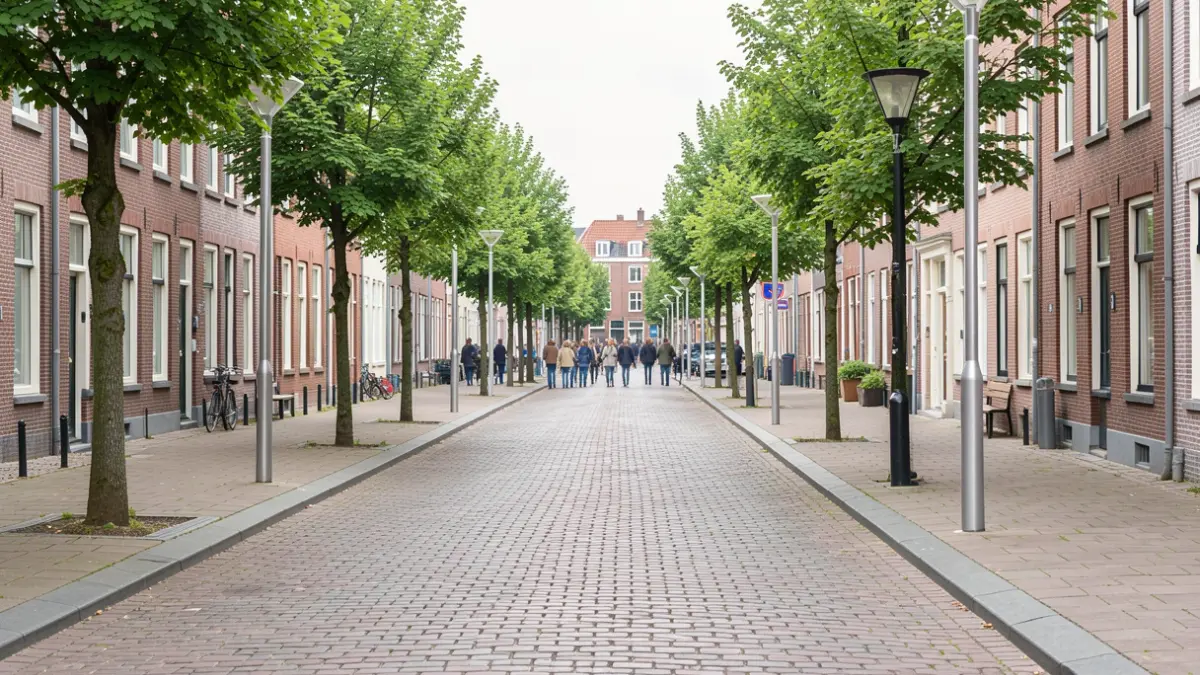
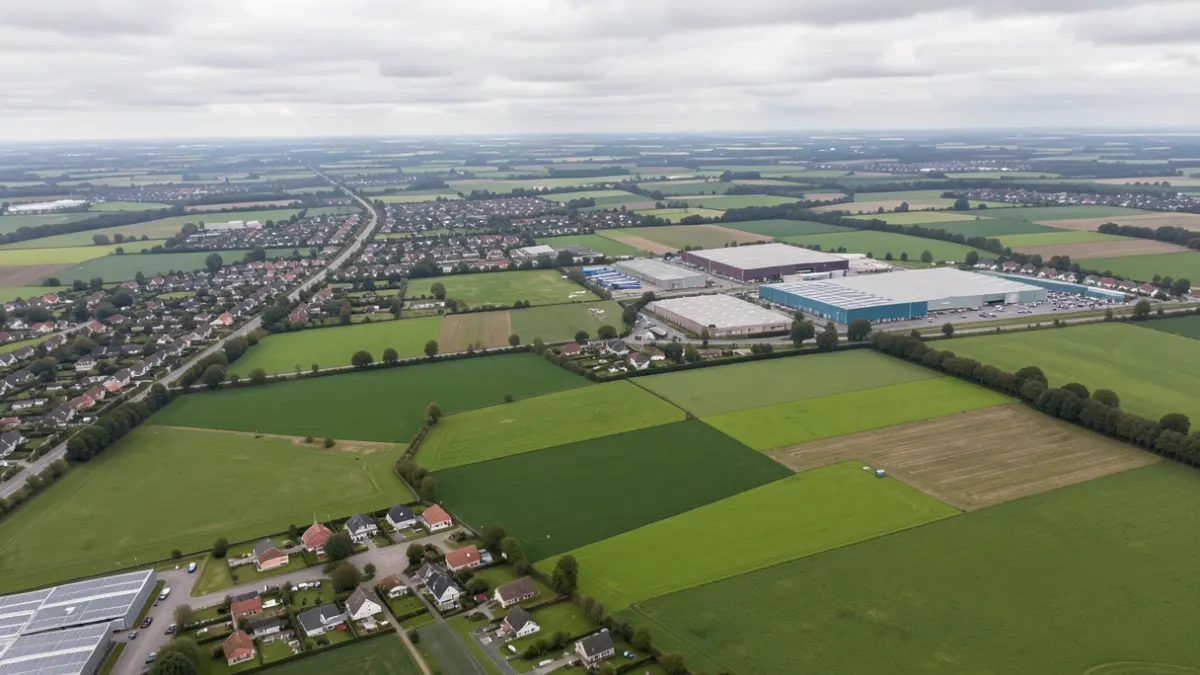
Land use covers more than just buildings, infrastructure and industrial sites. Greener areas used by humans, such as gardens, football fields, city parks and golf courses, are also included. Nature reserves, forests, agricultural land, marshes, rivers and lakes, on the other hand, belong to open space and are not counted. Of the land use in Limburg in 2025, 37.4 percent is taken up by houses and gardens, 18.6 percent by transport infrastructure, 10.2 percent by recreation and 9.6 percent by industry.
In the period 2013-2025, a net 0.75 hectares of land use was added per day in Limburg. A lot of land use ends up in soft destinations. Land use does not necessarily mean that a new apartment block or an extra residential district will be built. It also reflects social trends, where former agricultural or nature land is given a new purpose as a private garden, hobby enclosure or horse pasture with a stable. In 2025, 12.2 percent of the total area in Limburg is designated for soft destinations taken up by land use.
The pressure on soft destinations is highest (more than 15 percent land use in soft destinations) in Leopoldsburg, Zutendaal, Lommel, Alken, Tessenderlo-Ham, Diepenbeek, Kinrooi, Lummen, Zonhoven, Herk-de-Stad and Heusden-Zolder.