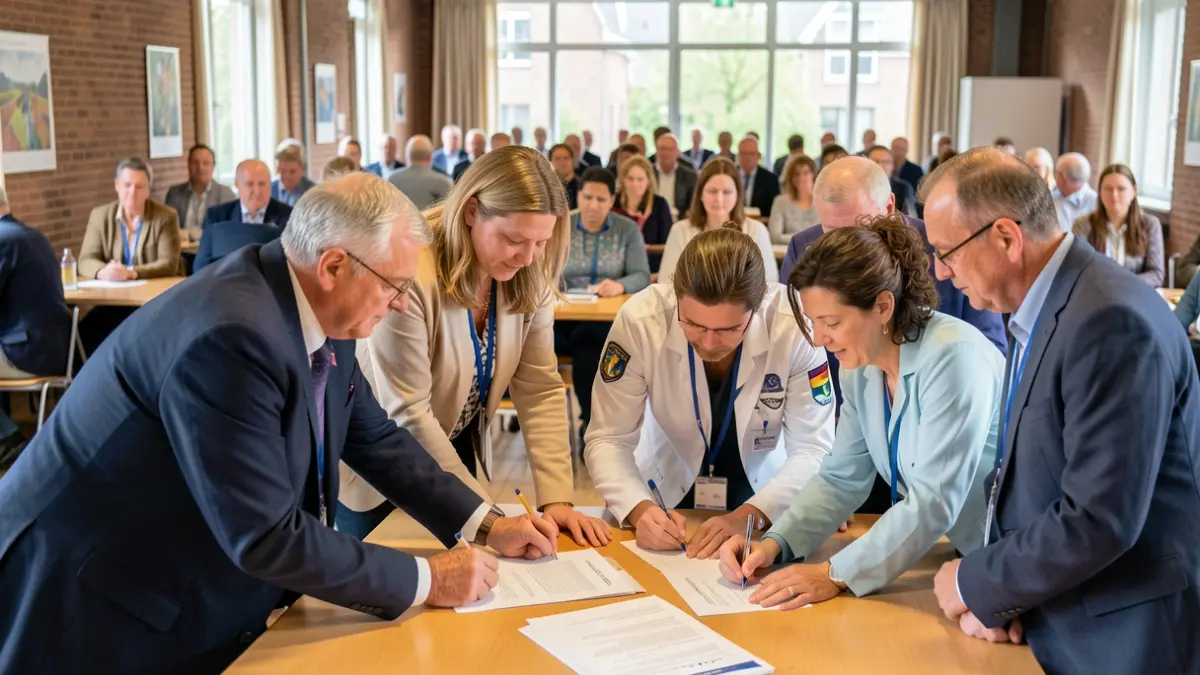
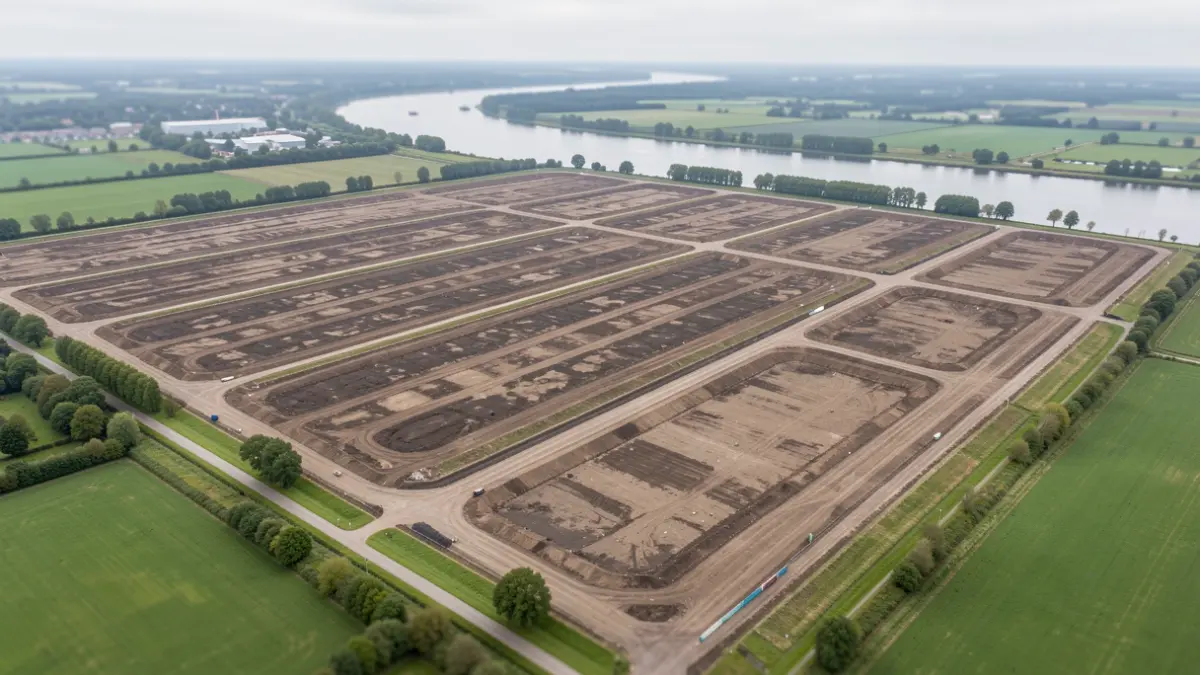
The notification of the Environmental Impact Assessment (EIA) for the remediation of the asbestos and household waste landfill in the Kleiputten Terhagen, located in Boom and Rumst, marks a new phase in the remediation project. Through the official notification, advice will be sought from the Flemish government via OVAM. This advice will form the basis for the final project EIA and soil remediation project to be developed by the Province of Antwerp and De Vlaamse Waterweg nv, the current landowners.
The EIA process includes a scoping note with five remediation variants and a quick scan that assesses the initial impact on the environment, humans, landscape, and nature. Deputy Luk Lemmens emphasizes the responsibility to thoroughly address the historical pollution and minimize inconvenience for local residents.
Independent experts have analyzed five remediation variants based on technical feasibility, costs, disruption, sustainability, and environmental impact. The conclusions point towards remediation variant 2: isolating the landfills by closing the flanks of the household waste landfill and capping the asbestos landfill. This variant has the least spatial impact and causes the least disruption.
A significant amount of soil is required for transporting materials. Transport via public roads will be avoided due to the strain on the local road network. Options such as the unloading quay of Wienerberger or a temporary unloading quay near Molleveld are being investigated. The most environmentally friendly option is to use soil surpluses from the nearby Wienerberger quarry, which can be transported via internal site roads.
OVAM is now requesting advice from Flemish authorities. Following the environmental impact report and a public inquiry, OVAM will approve the final remediation method. The remediation of the asbestos landfill has priority. The area will become a green space after remediation, with room for walking and cycling, excluding large-scale sports infrastructure.
The area remains accessible for recreation, but closed sections and ponds must not be entered. Regular inspections reveal damage to the fencing, leading to additional repair costs. Citizens are urged to respect the fences and warning signs. Reports of damage or suspicious activity can be made via sanering.kleiputten@provincieantwerpen.be.