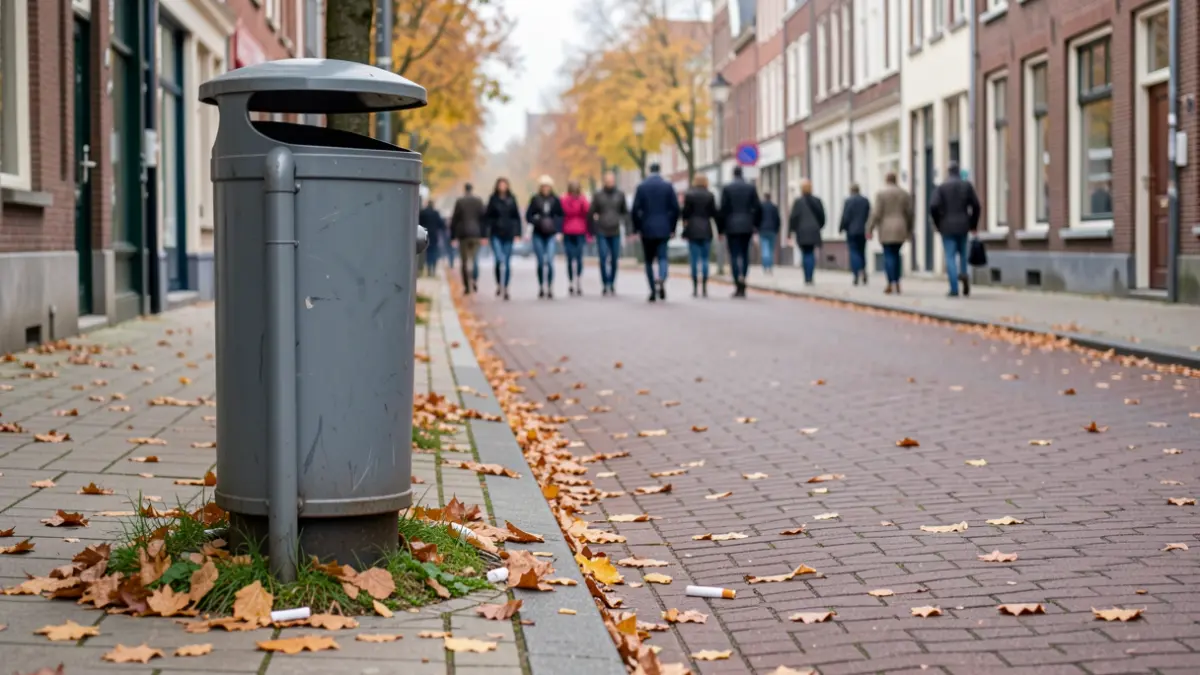
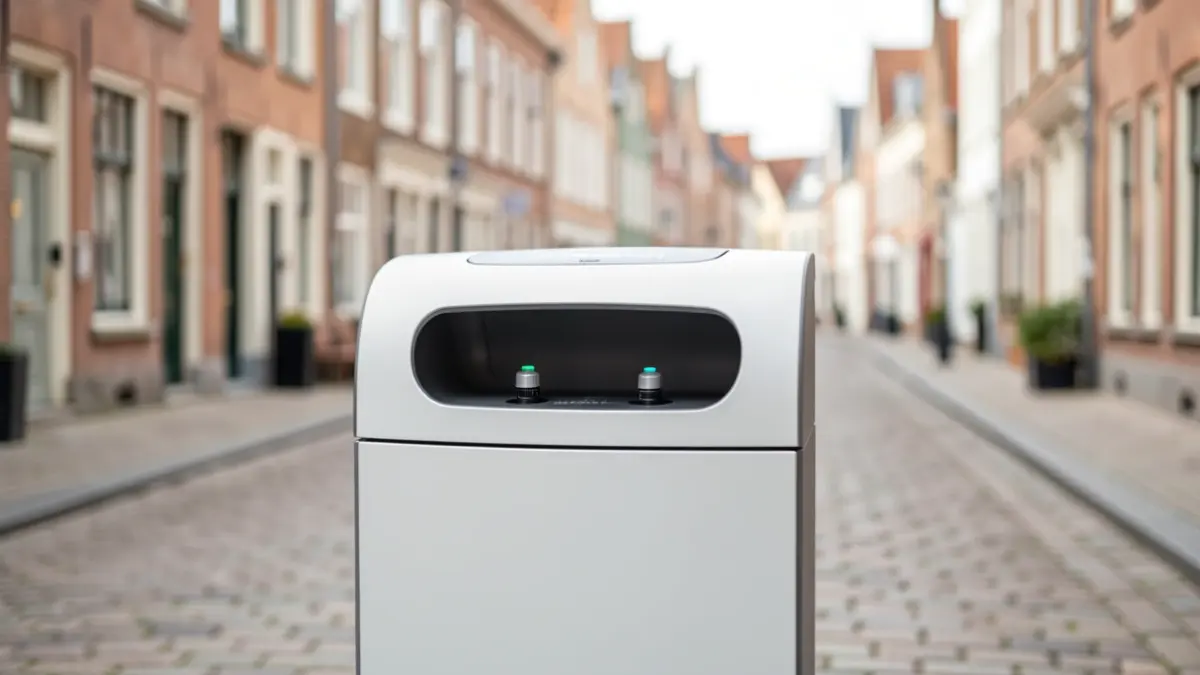
From November, the municipality of Mol will deploy sensors to optimize routes for emptying 242 trash bins. At the start of each workday, sensor data will provide employees with the most efficient route possible to the fullest bins. This is expected to reduce unnecessary mileage, improve efficiency, and save the municipal government time and fuel costs.
The municipality currently has 277 waste points, including street bins, dog waste bins, and containers of various sizes (120, 240, and 1,100 liters). Current fixed routes sometimes lead employees to empty bins that are only slightly full. The new approach, using sensors in 242 bins to measure fill levels, will prevent this.
The sensors, placed invisibly inside the bins, measure the fill level hourly. This data appears in a digital system used by the environmental service to compile daily routes. The threshold for emptying varies: in the Centrum (center), a bin is added to the route from approximately 50% full, while outside the center, this is around 67%. These percentages can be adjusted, for example, for busy shopping streets or seasonal differences.
In addition to more efficient daily routes, the sensors provide a better understanding of bin usage. Bins that consistently fill up quickly can be specifically addressed, perhaps with an extra round or a different approach, based on the collected data.
Trash bins in Postel and at the cemeteries will not be monitored by sensors. In Postel, the fixed routes on Mondays and Fridays will be maintained. Bins at the cemeteries will be included in the routes by default, accounting for specific periods with more waste. The existing extra Sunday round in the Centrum will also remain.
Waste collection employees will begin using the new method effectively from November, following an initial familiarization period with support. The sensors are weather-resistant, measure fill levels optically, and have a battery life of at least five years.