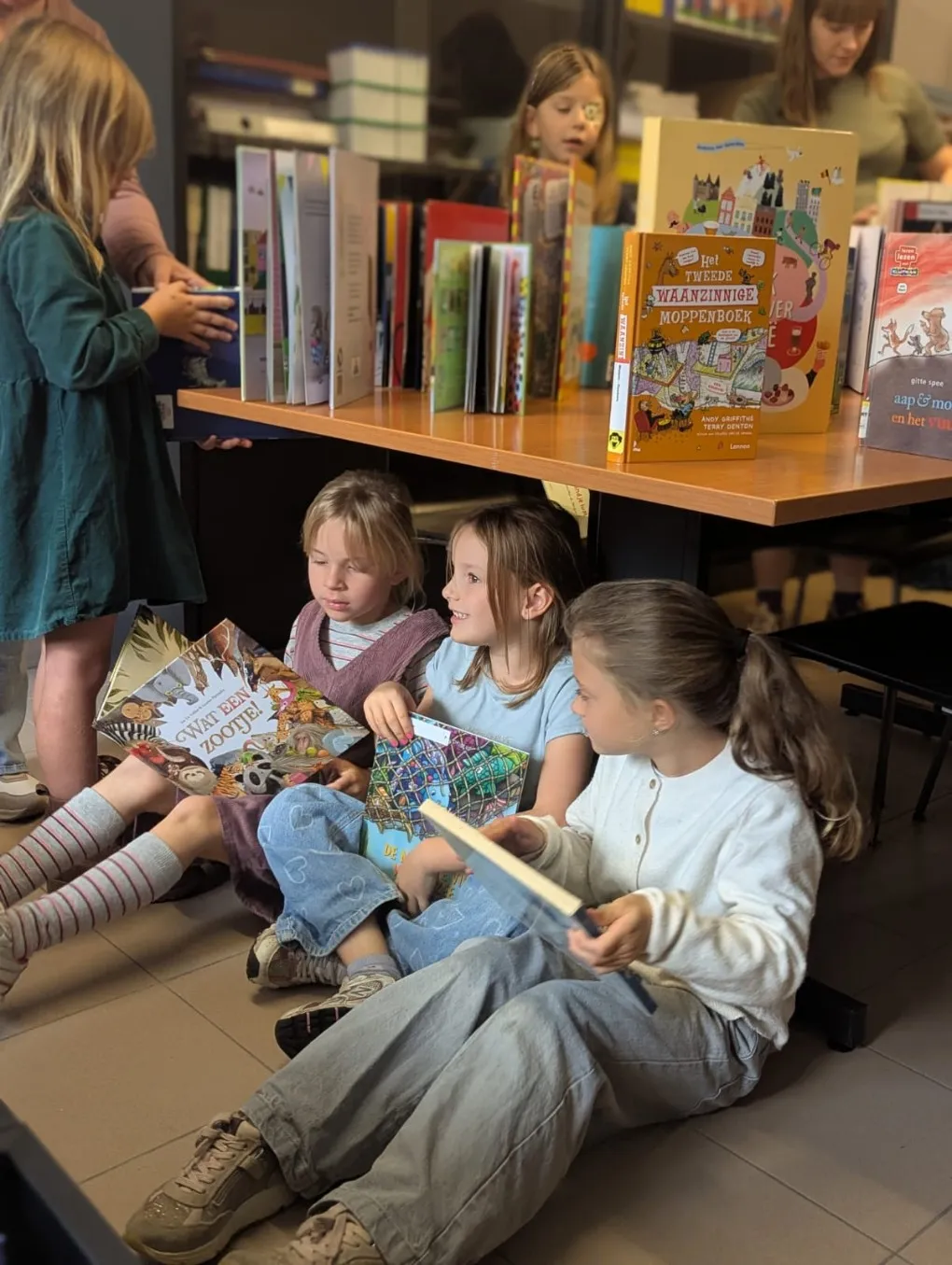
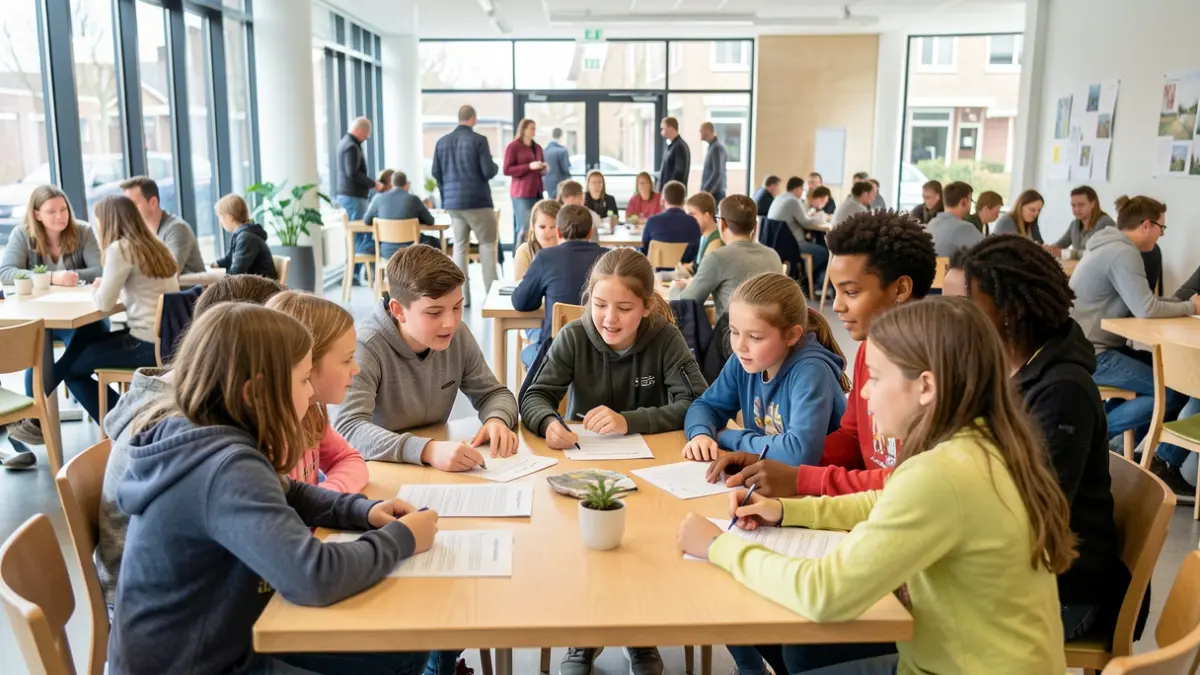
During four focus groups, involving children, youth, civil society organizations, and municipal employees, the results of a previous survey were discussed and key points were identified. These themes will form the basis for future policy on child-friendliness in the municipality.
Young people expressed a desire to feel safer on the streets, to have more meeting places with green spaces and benches, and more affordable activities, especially from age 16. They also want more say in decisions that affect them. Children appreciate the existing forests, parks, and playgrounds, but also call for attention to traffic, noise, litter, bullying, and unsafe areas. Hobbies, sports, and play are also important to them.
Civil society organizations advocate for attention to bullying, accessible support services and childcare, and opportunities for vulnerable children. The shortage of places in special education and the affordability of leisure activities were also discussed. Better collaboration between organizations and services can help families more quickly.
Municipal employees emphasize the importance of accessible childcare, inclusion, mental well-being, and safe meeting places for young people. They also advocate for more participation and a leisure offer that better meets the needs of children and youth.
In addition to the focus groups, a workshop on children's rights was organized for municipal employees, the management team, and the college of the mayor and aldermen, to strengthen the focus on children's rights within the organization and its policies.
The insights from these discussions will be used by the Strategic Platform Child-Friendly Municipality to formulate policy challenges. The municipal council will then select priority themes for the next phase: the experience survey among children and young people. This way, Mol is working together towards a municipality where children and young people feel at home and their voices are heard, aiming to achieve the ‘Child-Friendly Municipality’ label.