The initiative comes from International Communication and Media students at Thomas More. They form the organising committee and set up the campaign themselves, from the initial idea to the last trash bag. The action is aimed at all courses and campuses of the university college in Mechelen. Kristof Calvo, alderman for Nature and Green Development, will come to see what ends up in the nets.
The students are testing in their own city what they learn in class. Ilinca State, student and co-organiser, emphasises that the project is truly theirs because they organise everything themselves. Pascale Aerts, Unit Manager Media & Communication at Thomas More, calls the action a perfect test for their campaign skills.
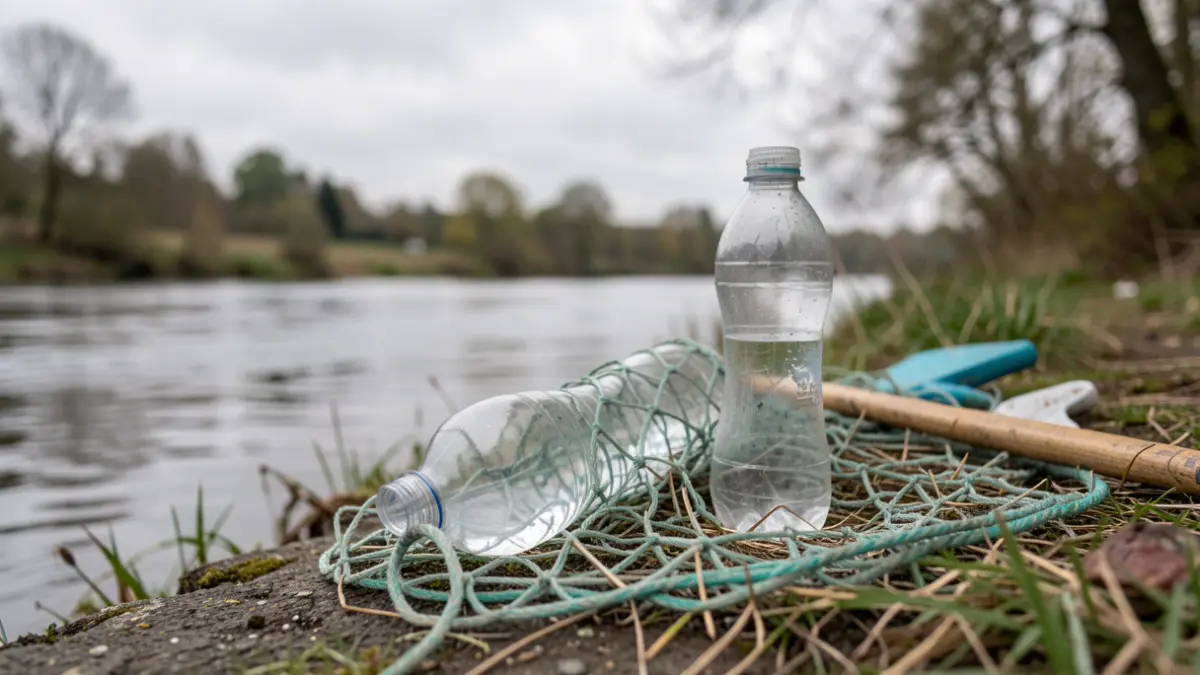
Plastic in the Dijle flows via the Rupel and the Scheldt to the North Sea. The vast majority of sea plastic comes from land, and rivers act as highways. Along the way, plastic breaks down into microplastics. Every full bag of waste the students collect is one bag less in the sea.
“"What students learn today about waste prevention, they can take with them to their work later. With the University Cup, we want to encourage them to prevent it and consciously reflect on the impact of their daily choices."
The winner of the River Cleanup University Cup is determined based on three criteria: the number of kilograms of waste collected, knowledge about plastic pollution (measured via survey and audit), and waste prevention on campus. The winning school receives a sustainable event, such as a zero-waste party or clothing swap, which the students will define themselves.
River Cleanup is a network organisation committed to plastic-free rivers worldwide. Since 2019, the organisation has collected more than 4 million kilograms of waste. The non-profit aims for 1,000 plastic-free rivers by 2050. More info at river-cleanup.org.