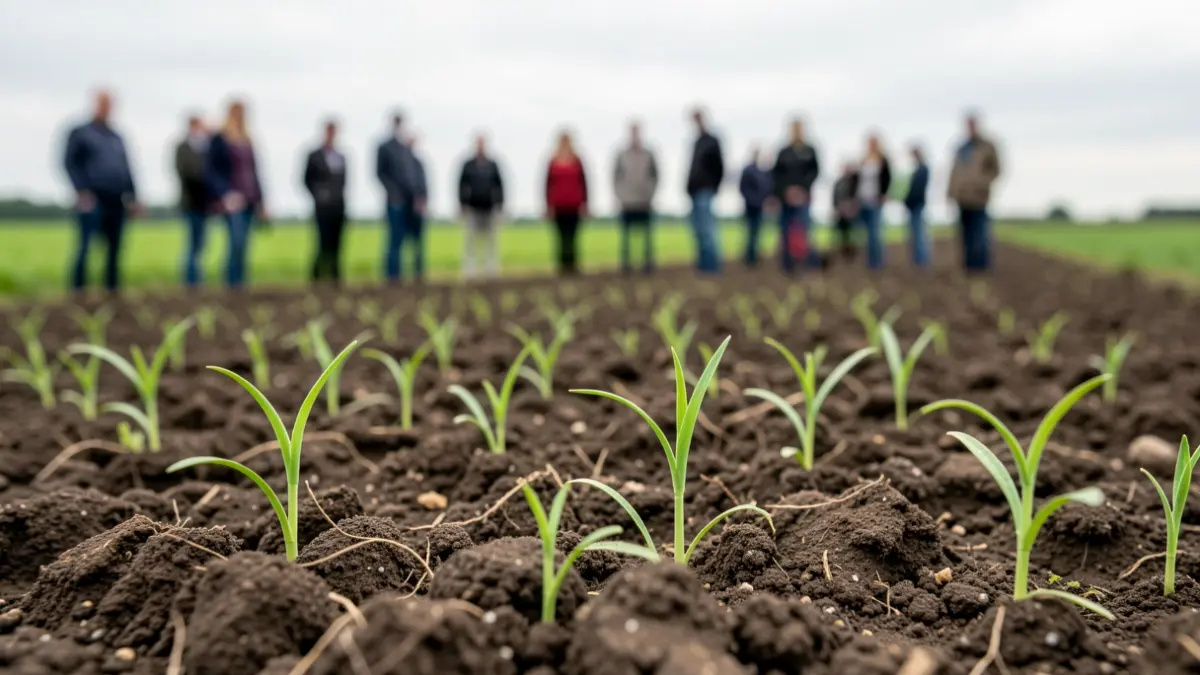
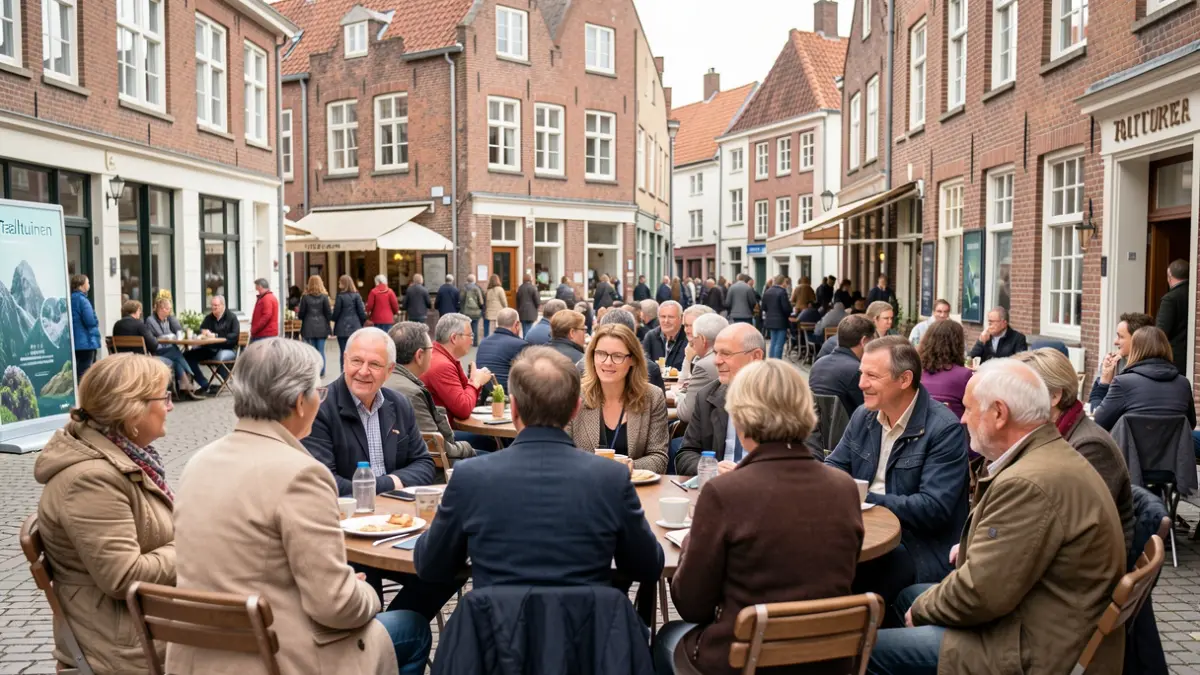
Hoogstraten is focusing on increasing Dutch practice opportunities for non-native speakers with the launch of 'Taaltuinen'. These initiatives take place not in a classroom, but through joint activities, meeting people, and engaging in pleasant conversations, offering a relaxed and natural way to practice the language.
Initiatives aligned with the 'Taaltuinen' concept are recognizable by the distinctive Taaltuinen logo. Currently, two projects are active: PicoBello, aimed at strengthening the Dutch language skills of non-native cleaning assistants, and the buddy program "Ouders & ouders" in Wortel, which matches non-native speakers with Dutch-speaking buddies to help them navigate school, their neighborhood, and practice their Dutch.
The municipality invites residents to share their needs and ideas, such as what activities they enjoy or why practicing Dutch can be difficult. This input will be used to create more practice opportunities tailored to the needs of non-native speakers. Volunteers can sign up to help build a language-rich Hoogstraten, and organizations needing Dutch practice opportunities for non-native speakers are encouraged to get in touch for potential customized initiatives.
Furthermore, it is emphasized that every interaction is an opportunity to practice Dutch. Tips are provided for creating a safe practice environment, such as encouraging speaking, not immediately correcting mistakes, and allowing time for people to find the right words. It is also advised to speak clearly and calmly, use short sentences, explain difficult words, and use supporting aids like pictures or gestures. More tips can be found via the link ‘Communicating with non-native speakers’.