
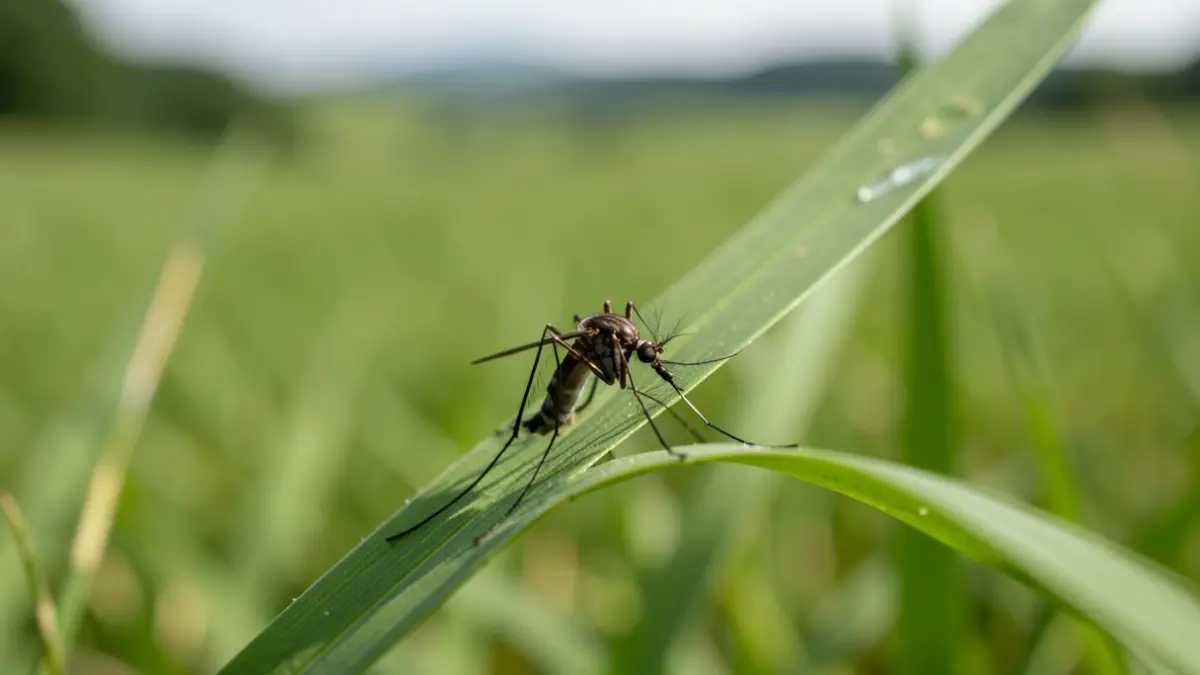
Recent tests conducted on horses have indicated that the West Nile virus is currently circulating widely in our region. This virus, which affects birds, is transmitted by mosquitoes. Both horses and humans can become infected through the bite of an infected mosquito.
While most people who contract the virus experience mild symptoms or remain asymptomatic, the elderly and individuals with weakened immune systems are more susceptible to severe illness. Therefore, it is crucial to protect yourself against mosquito bites.
To minimize the risk of infection, the following preventive measures are recommended: wearing long clothing when mosquitoes are abundant, using an insect repellent such as products containing DEET, installing mosquito nets or screens on windows and doors, and employing a mosquito net or canopy if necessary.
The overall risk of contracting the disease remains limited, but it is advisable to remain vigilant and follow preventive advice. More detailed information about the West Nile virus and effective methods for preventing mosquito bites can be found on the department of health's website.