
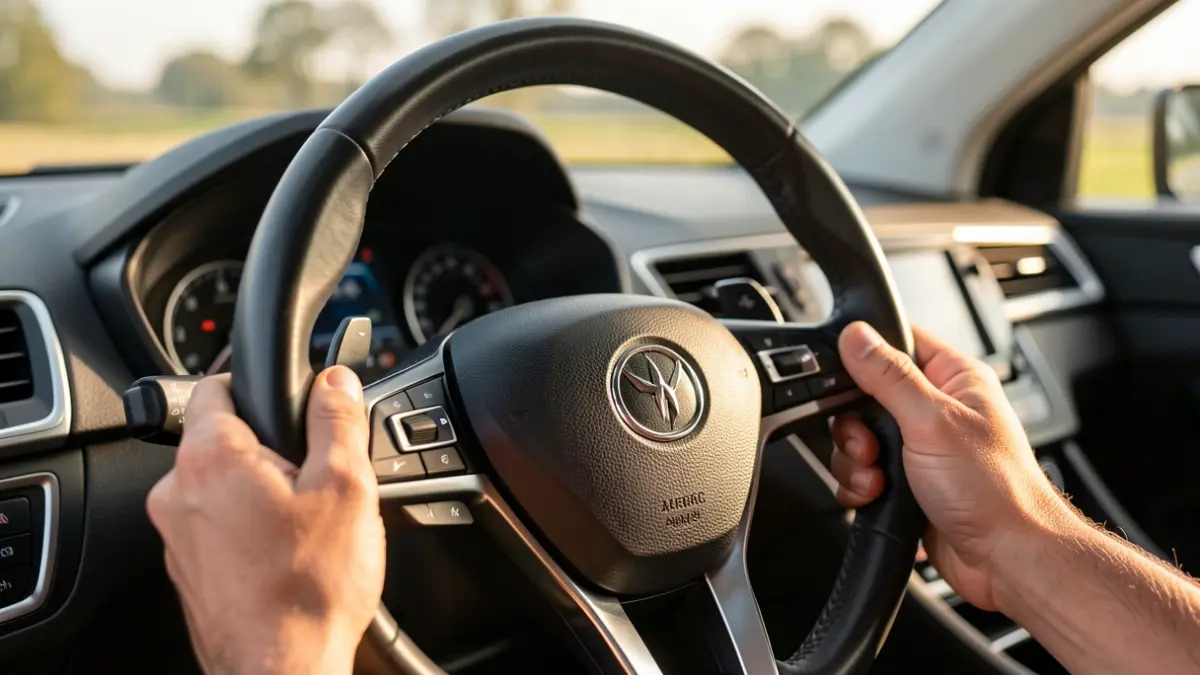
For individuals with disabilities, an adapted car is crucial for autonomy and participation. The VAPH (Flemish Agency for Persons with Disabilities) provides financial support for this. Joeri Houben, a mobility aids consultant at the VAPH, emphasizes that the goal is to support individuals with disabilities in their independence. Car adaptations can be requested for all ages, including children. In 2025, approximately 3500 applications for car adaptations were submitted to the VAPH, benefiting around 1200 people.
The first step in the application process involves a consultation with a recognized multidisciplinary team (MDT). This team works with the applicant to assess their mobility needs, the frequency of use, and the purpose of the car. Alternatives such as public transport or taxis are also considered, but a nearby bus stop does not automatically disqualify an application if these alternatives are not optimal for the specific situation, such as when using a wheelchair.
The MDT maps out the complete context of the individual, including limitations, capabilities, travel patterns, and necessary assistance. Important aspects such as the wheelchair, how the person transfers, and parking arrangements are taken into account. Following this thorough investigation, the team formulates advice that forms the basis for the application to the VAPH. For passengers, the focus is on safe boarding and securing mobility aids, while drivers must be medically fit to drive.
Fitness to drive is assessed by CARA, a department of the road safety institute Vias. CARA investigates whether an illness or disability can affect driving safety and determines any necessary conditions for control adaptations. This assessment includes medical information, questionnaires, and potentially specific tests for strength, coordination, and balance. The aim is to ascertain whether it is medically feasible and safe to obtain or retain a driver's license.
Following a positive assessment, the driver receives a CARA certificate detailing mandatory adaptations and any restrictions, which are also noted on the driver's license. Sometimes, adaptation training is required to test the practical feasibility of modifications, for which the VAPH may provide a contribution. Only after clarity on mobility needs, required adaptations, and fitness to drive can one proceed to find a suitable car and adaptation specialist.