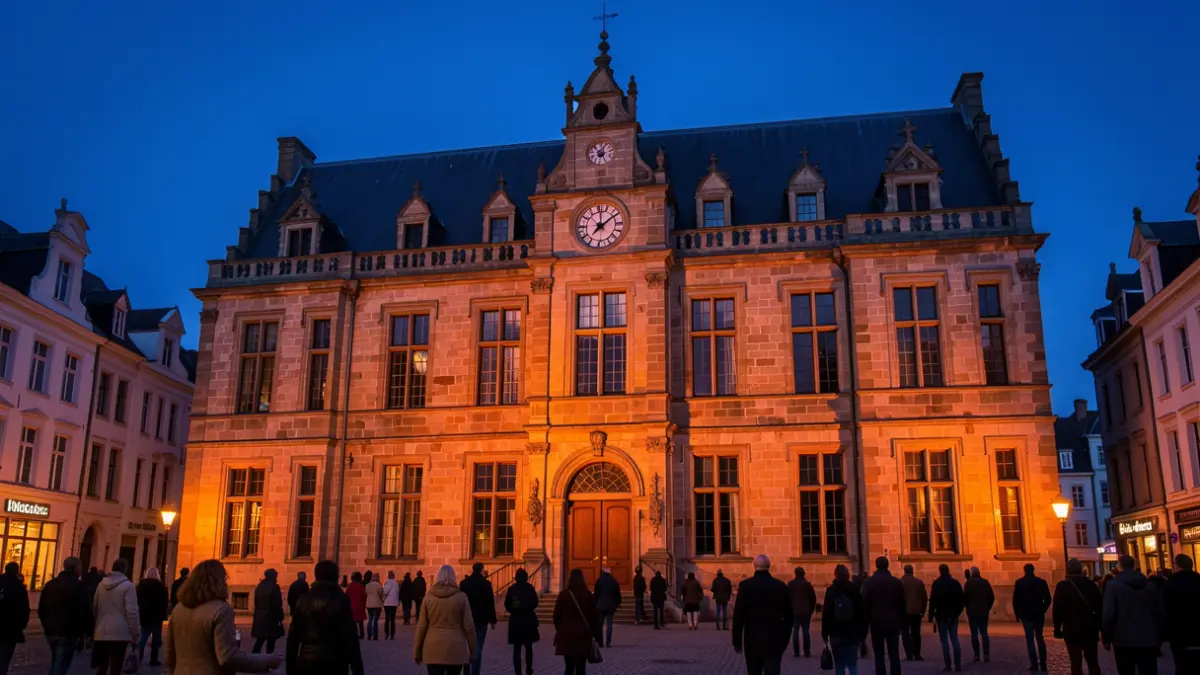
Research by the Vrije Universiteit Brussel (VUB), KU Leuven, and Thomas More, conducted in the Brussels neighborhood of Anneessenswijk, highlights the impact of neighborhood changes on loneliness. The area has transformed from a village-like character to a significantly altered social fabric due to migration, the closure of local shops, and the arrival of new residents. Gentrification contributes to this phenomenon, with not all original residents feeling at home anymore.
Professor Liesbeth De Donder (VUB) states that the former recognizability and familiarity in neighborhoods have largely disappeared. Even if a neighborhood objectively improves, residents do not automatically feel more at home or more connected. The youngest age group, 18- to 24-year-olds, proves particularly vulnerable to loneliness, even with extensive online contact. It's about having someone to confide in and feeling that one matters to others.
De Donder distinguishes three forms of loneliness: social (lack of a wider social network), emotional (lack of a close bond), and existential (lack of meaning or direction in life). The latter form can particularly affect young people experiencing unemployment or a lack of prospects.
A neighborhood's identity and history, with recognizable buildings and traditions, contribute to a sense of belonging. A comparison between Aalst (Rozekensbos park) and the Anneessenswijk illustrates this: investments in a neighborhood are perceived as recognition. The feeling that a neighborhood matters is more than just infrastructure; its symbolic meaning is crucial.
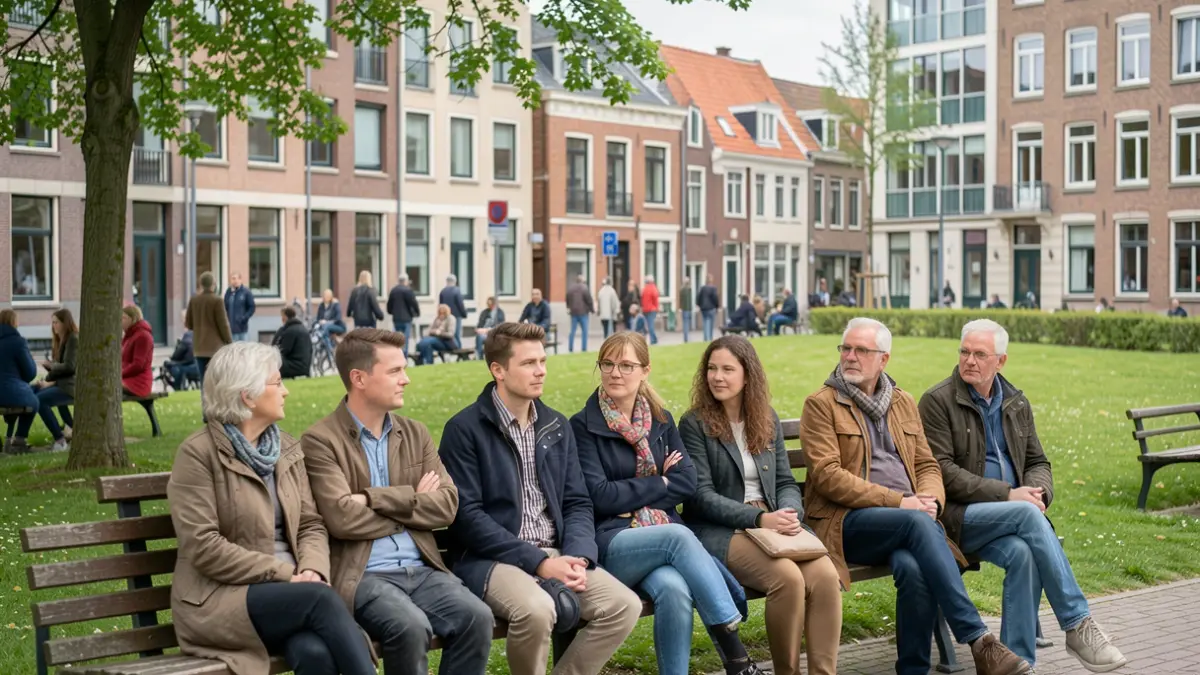
Besides meeting places, everyday, fleeting contacts are also important. The researchers emphasize the significance of 'fourth places' or 'passing places' such as accessible sidewalks and comfortable benches. Resident participation is essential, requiring outreach to the 'quieter voices' within a neighborhood.
A new online neighborhood detection tool maps the risks of loneliness in 6,492 Flemish neighborhoods. Densely populated, socio-economically vulnerable neighborhoods with high migration rates show a higher risk. The tool assists local authorities and welfare organizations in identifying areas needing attention. Loneliness is thus viewed not solely as an individual problem but also as a consequence of the living environment.
The results of the project ‘Eenzaamheid en de buurt’ (Loneliness and the Neighborhood) are compiled in a book, and the interactive neighborhood detection tool is accessible via www.eenzaamheidendebuurt.be. The research is a collaboration between KU Leuven, Thomas More, and VUB, with contributions from De Buurtwinkel and LDC Forum.