Between 2015 and 2024, cycling traffic in the province of Antwerp increased by 61 percent, confirming the success of investments in cycle infrastructure. This growth requires continued attention to traffic safety. Recent figures show a positive trend: the number of victims on cycle paths decreased by 15 percent between January and August 2026 compared to the same period in 2025. The number of light injuries dropped by more than 20 percent, with no fatal victims recorded in that period.
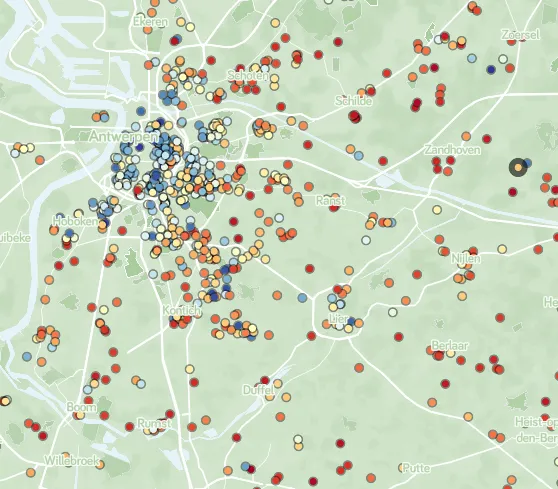
To support local authorities in detecting risks, the province developed the Traffic Safety Compass. This digital tool maps accidents, indicators, and risk locations clearly. Thanks to this objective information, cities and municipalities can determine priorities and direct additional research where necessary. The analysis shows that many risks are located where different traffic flows converge, such as intersections and connections.
Specifically, 81 risk locations along cycle paths were identified in the compass. These are spots where at least three accidents involving active road users occurred within a defined zone between 2023 and 2025. Of these locations, 56 are at intersections and 25 are on road segments. The province emphasises that a risk location does not mean an entire cycle path is unsafe, but rather that a thorough analysis of the local situation is needed to determine the right measures.
In addition to infrastructure, traffic behaviour plays a crucial role, as human behaviour is involved in 70 to 90 percent of accidents. The province therefore supports campaigns such as 'Speed feels good, arriving feels better' and sensitization initiatives from the Flemish Foundation for Traffic Science. Starting in 2027, three pilot projects will begin, where selected locations will be thoroughly investigated in collaboration with local authorities and police zones. This should lead to concrete improvements on the ground.