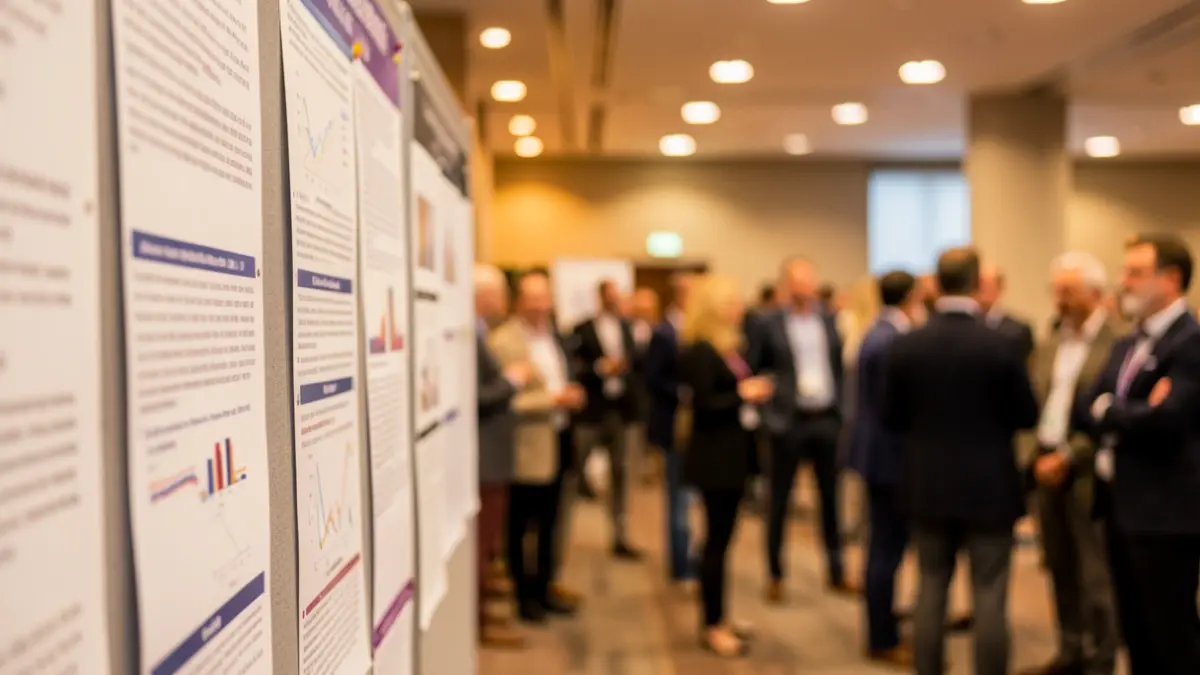
Over four days, scientists shared discoveries, discussed challenges, and explored how scientific knowledge can contribute to sustainability. The congress was opened by Jan Mees, Director-General of VLIZ, and Enrique Montes from the International Association for Biological Oceanography (IABO). Keynote speakers such as David Obura and Vidar Helgesen set the tone for discussions on translating scientific research into concrete actions.
Eight keynotes offered diverse perspectives, ranging from deep-sea expeditions to digital ocean models. Daniel Lauretta demonstrated how live broadcasts of deep-sea expeditions bring science to a broad public. Katherine Tattersall advocated for globally accessible ocean data, while Leen Vandepitte and Philippe Bouchet focused on marine taxonomy and the diversity of rare species. On the final day, Fei Chai discussed how digital representations can bridge knowledge gaps, and Lisa Levin placed current biodiversity in a historical perspective.
A highlight of the congress was the presentation of the international Carlo Heip Award to Philippe Bouchet, in recognition of his leadership in marine biodiversity science. The reception was held in the Bruges town hall, attended by Carlo Heip's children. There was also attention for citizen science, nature restoration, and genetic monitoring. A full session was dedicated to the World Register of Marine Species (WoRMS).
The congress resulted in the Blueprint Connectors, which collected 183 candidate solutions for the Ocean Life Blueprint. Four main themes emerged: smarter monitoring, effective protection, reducing human pressure, and mobilising financing. The public could participate in a documentary about the deep sea and photo exhibitions. The congress concluded with a look towards the organisation of WCMB2029.