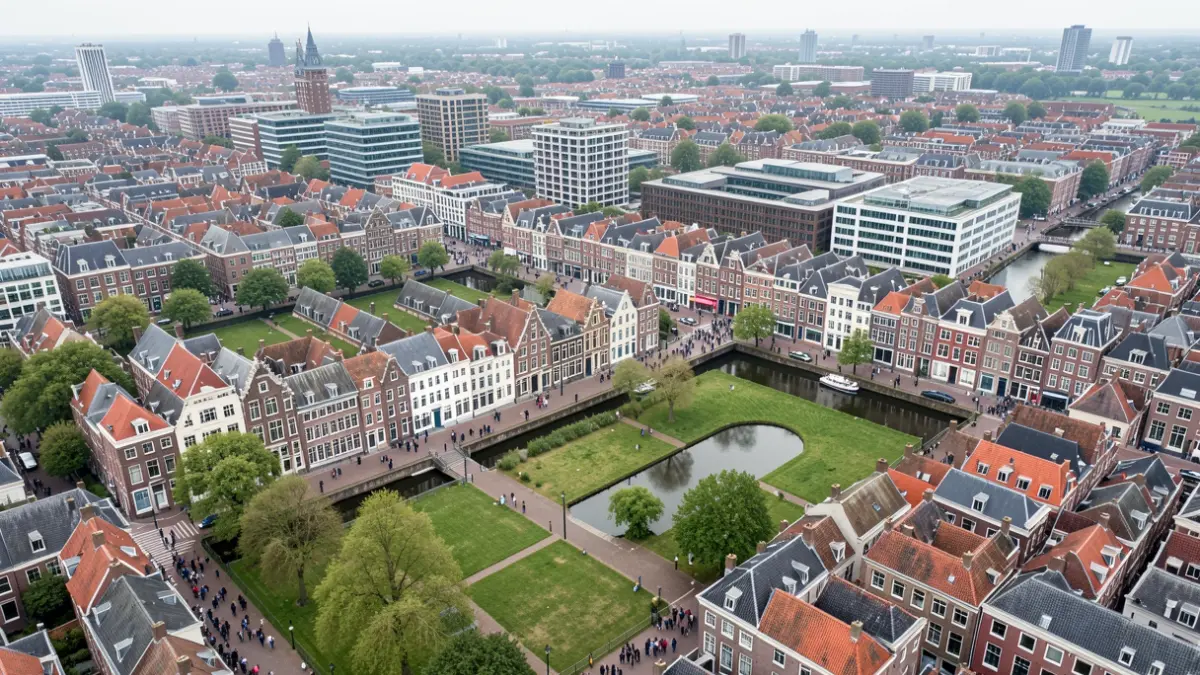
The new plan aims to make informed decisions about space allocation for housing, businesses, and facilities, as well as the preservation and enhancement of open space. According to a housing study from 2024, Leuven will need approximately 8,000 additional homes by 2040. The city intends to meet this housing demand while ensuring sufficient space for businesses, schools, childcare, and sports infrastructure, considering its population has now exceeded 105,000 inhabitants. Furthermore, Leuven seeks to better prepare for the impacts of climate change and maintain quality open spaces.
Mayor Mohamed Ridouani highlights growth as a strength that enhances quality of life and economic dynamism, but also stresses the need for smart spatial planning. The new policy plan aims to manage this growth effectively and keep Leuven attractive for future generations.
The current Spatial Structure Plan Leuven dates from 2017 and looks ahead to 2030. The new Spatial Policy Plan extends this horizon to 2050 to better prepare for complex spatial challenges, including rising demand for housing and facilities, pressure on open space, and climate challenges requiring more green and water areas.
Alderman for spatial planning Dirk Vansina explains that clear choices are needed regarding where new housing and facilities fit within Leuven, how existing space can be better utilized, and which open spaces should be protected. Improving the quality of open space and using it for climate challenges are also key aspects. Developments must be considered holistically, with attention to green areas, water, and neighborhood facilities.
Alderman for housing Lies Corneillie adds that the current housing supply cannot meet the rising demand, with a need for 8,000 extra homes by 2040, particularly for families, low-income residents, and the elderly. Part of this new supply will come from densification and smarter use of available space, supported by a new General Building Ordinance. Another part will involve carefully considered choices regarding existing open space. Collaboration with neighboring municipalities is also becoming crucial, as housing, mobility, and green structures extend beyond city borders.
The process for the new Spatial Policy Plan is now underway and is expected to be completed by the autumn of 2029. The city will involve residents and stakeholders through discussions in the various sub-municipalities.