Annual electricity consumption for public lighting in Leuven dropped from 5,450 MWh in 2015 to 3,497 MWh in 2025. This reduction of 1,953 MWh per year is equivalent to the electricity consumption of about 575 households. This effort is part of the city's broader goals to reduce energy consumption and greenhouse gas emissions.
Since 2015, replacing traditional public lighting with energy-efficient LED lamps has led to a saving of over 453 tons of CO₂. Alderman for public works Dirk Vansina states that 67% of public lighting has already been converted to LED. The ambition is to switch all public lighting in Leuven to LED by 2030, linked to the renovation of streets and squares.
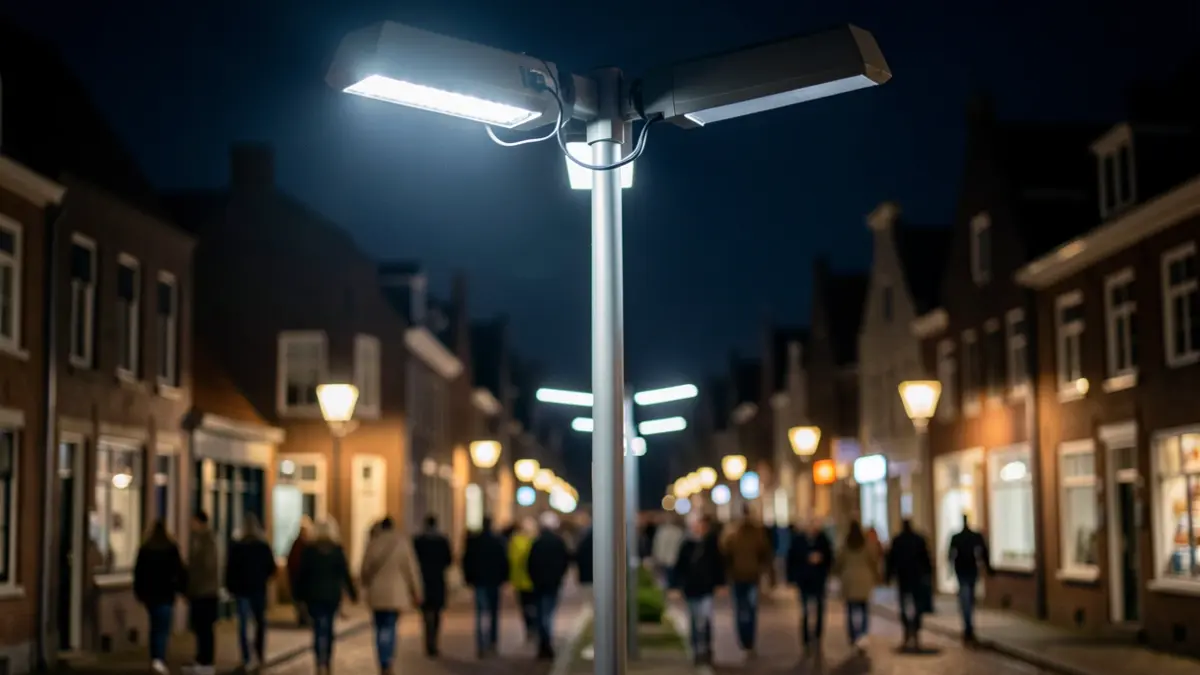
Alderman for climate and sustainability Thomas Van Oppens highlights the role of LED lighting in energy savings for public spaces. LED lighting consumes less energy, has a longer lifespan, and allows for smart control and dimming. The investment in LED lighting is estimated to yield an annual saving of 56,000 euros, depending on energy price fluctuations, and contributes to a climate-neutral Leuven.