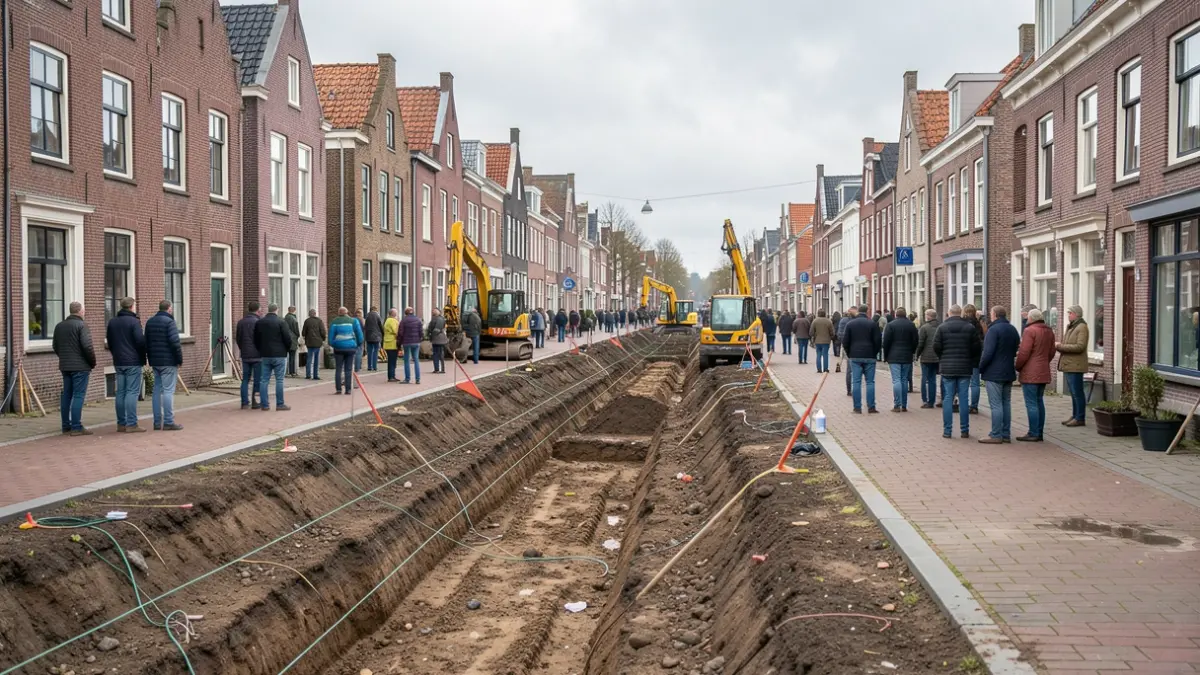
Recognized tree care specialists are monitoring the trees around the Heggekapel, focusing on long-term preservation and safety. A tree expert from Regionaal Landschap Kleine en Grote Nete visited the site to inspect the trees individually. Originally, several trees were slated for complete removal. Following the inspection, it was determined that a portion of more trees can be retained thanks to ecological felling. Where necessary, the tree crown will be reduced. Only if these measures do not provide sufficient safety will a tree be completely felled.
In ecological felling, the tree is not cut down completely to the ground. A part of the trunk remains. This trunk has significant visual value and also offers added value for nature, providing shelter, resting, and nesting places for birds and bats.
To ensure the green character of the Heggekapel in the long term, the municipality is planting around thirty new trees. Oaks and lindens have been chosen, fitting the historical character of the site and providing shade again in the future. The planting aims to restore the heritage site to its former appearance: additional trees will be planted in line with the chapel to make the forest denser, as it once was, and by planting oaks behind the chapel, the former avenue will be made visible again in the landscape. Planting considerations include the space needed for activities around the Heggekapel and the square opposite, ensuring ample space for gatherings and events.
All work will take place in November. The municipality's technical service will handle the planting of the new trees, while Regionaal Landschap Kleine en Grote Nete will carry out the ecological felling. These works implement the long-term vision from the management plan for the protected monument.
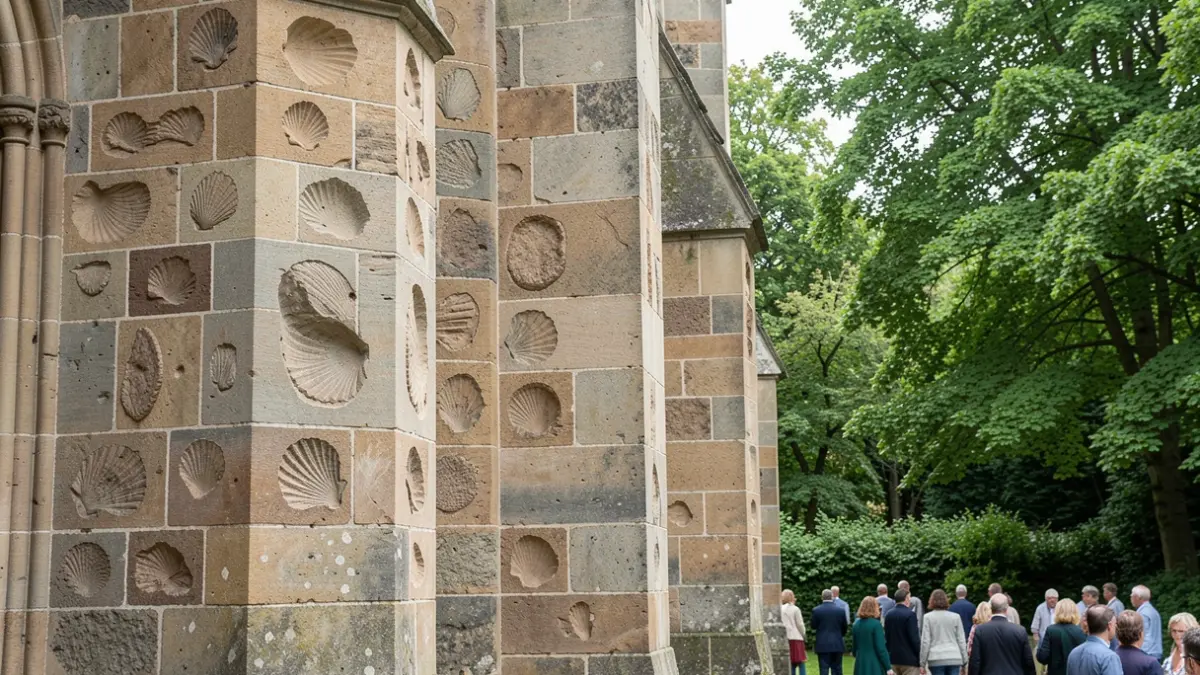
The Heggekapel is also notable for its building material. Iron sandstone from Poederlee is incorporated into the lower bands of the chapel. Close inspection reveals fossilized shell imprints within these rust-colored stones, indicating a distant past when this region was submerged under the sea, telling a unique story about the ancient history of Poederlee.
The works are part of the LEADER project ‘Discover the Kempen from the Subsoil’. This initiative highlights both the building and the natural and geological narrative of the site. The municipality, in collaboration with Regionaal Landschap Kleine en Grote Nete and with support from LEADER, is investing in the preservation of the Heggekapel.