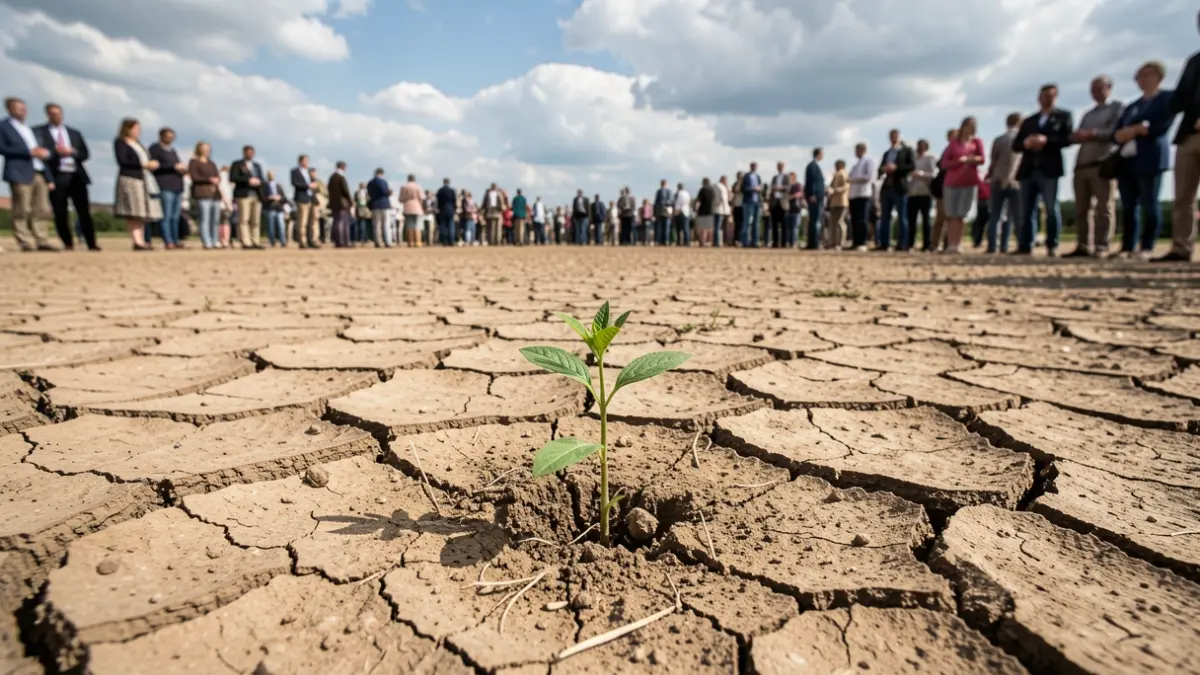
The heavy rainfall in the latter half of October has noticeably improved the drought situation in Flanders, enabling the drought management to scale back from code orange to code yellow. Recovery has begun, but the situation remains vulnerable, with several drought measures still in effect.
With winter approaching, it remains important to retain and infiltrate available water as much as possible to further replenish water resources. October was, on average, slightly warmer, wetter, and sunnier than normal, with 99.6 mm of precipitation, which is 147% of the normal October rainfall.
As of early November, 74% of monitoring locations show low to very low groundwater levels, while 22% have normal levels and 4% have high to very high levels. The percentage of locations with low to very low groundwater levels decreased from a peak of 88% to 74% due to the rainfall in the second half of October.
The discharge rates of non-navigable waterways have significantly increased at almost all monitoring sites across Flanders compared to early October. As of early November, 28% of monitoring locations show high to very high discharge rates, 60% show normal rates, and 13% show low to very low rates.