Europe is currently not self-sufficient in proteins and relies heavily on imports, primarily soy from the Americas and specialised vitamins and amino acids from Asia. This dependence reveals its vulnerabilities, as shown during a methionine supply shock last summer caused by maintenance at a Chinese factory holding a quasi-monopoly. The price of this amino acid doubled in a few weeks from 2 euros to 4.9 euros per kilogram.
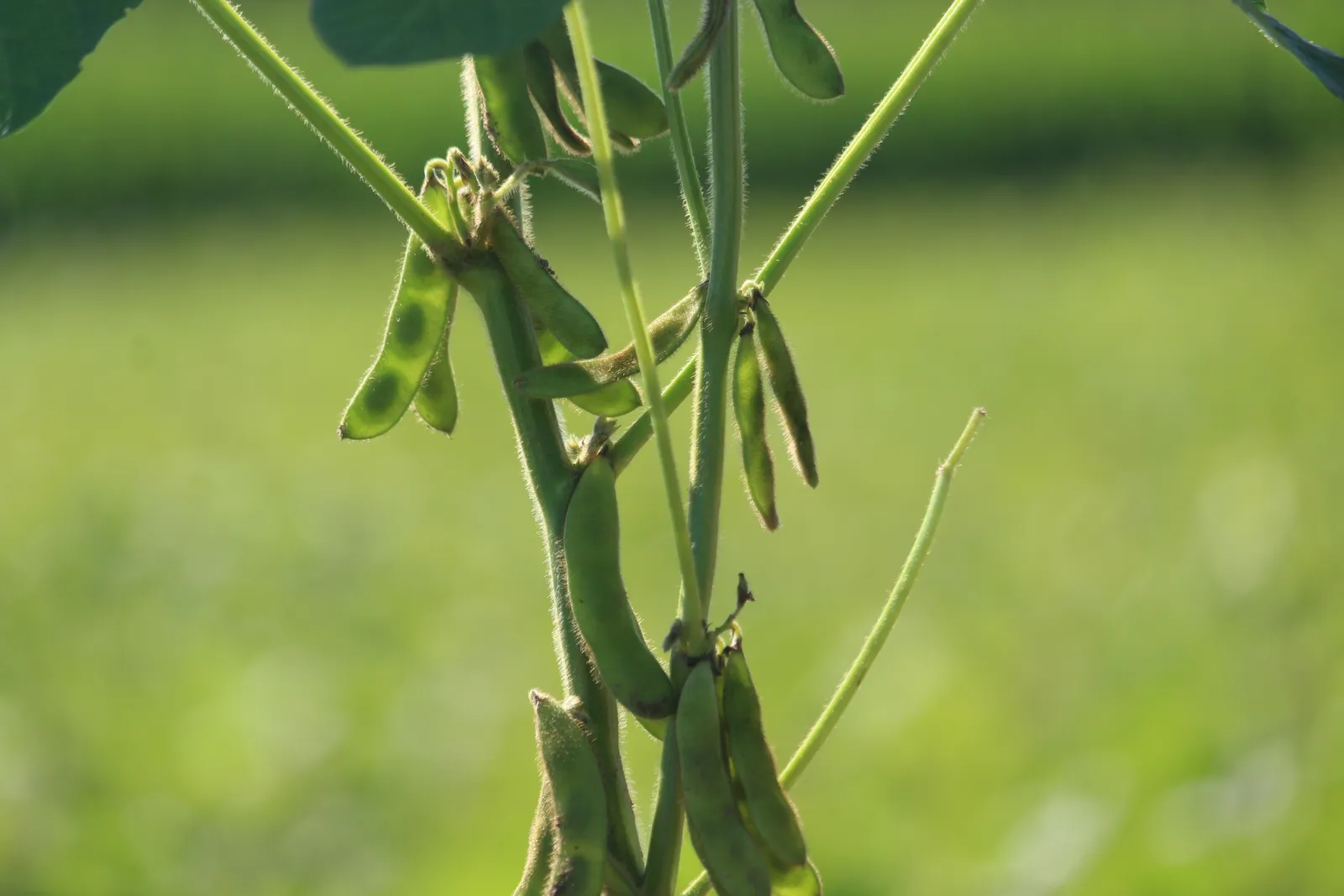
According to ILVO, there has been a clear acceleration in research over the past five years (2021-2025). A total of 62 new protein projects were launched, double the number in previous periods. Twenty years ago, the institute had hardly any focus on this field. Efforts are focused on locally growing protein-rich soy in North-West Europe by developing adapted varieties. ILVO participates in this together with VIB in the start-up Protealis, which brings these seeds to the European market.
A crucial development is the rise of microbial proteins, fats, and vitamins. These are not grown on agricultural land but produced by bacteria, yeasts, or fungi in fermenters. This allows the industry to produce molecules without dependence on imported sources. In Ghent, a well-established innovation ecosystem has emerged, the ProteInn Club, with UGent, CAPTURE, Bio Base Europe Pilot Plant, and ILVO as its backbone. This network is conducting international pioneering work in basic research and pilot production to scale up high-quality molecules.
Private companies in this ecosystem, ranging from startups to major names, are seeking profitable applications for fermentation technology, such as protein-rich vegan substitutes. ILVO states that Europe is top in lab development, while Asia and the US lead in production. With current knowledge and innovation power in Flanders, greater European protein autonomy should be possible.