The four-year Horizon Europe project aWISH (Animal Welfare Indicators at the SlaughterHouse) ran from November 2022 to October 2026. In collaboration with 28 European universities, slaughterhouses, technology developers and NGOs from 11 member states, it focused on the automatic assessment of animal welfare indicators. The technology now makes it possible to monitor welfare more systematically and broadly, provided there is chain cooperation and investment.
During the project, data was collected in six European slaughterhouses, covering a total of 85 million broiler chickens and over half a million pigs. 16 technologies were developed or applied. In pigs, the focus is on injuries, lung abnormalities and the efficiency of stunning. In broiler chickens, foot pad lesions, hock burns and injuries are measured to estimate when the injuries occurred.
“"The technology now makes it possible to monitor animal welfare more systematically and broadly. Provided there is chain cooperation and investment, feedback on the figures to, for example, the farmer can trigger improvements in the stables or during transport."
In addition to the technology catalogue, a guide with 'best practices' was drawn up. This contains tips to improve the welfare and health of pigs and broiler chickens during all life stages, from stable comfort to transport and slaughter. A data platform makes data available at the level of the farmer or transporter, within the framework of European data protection.
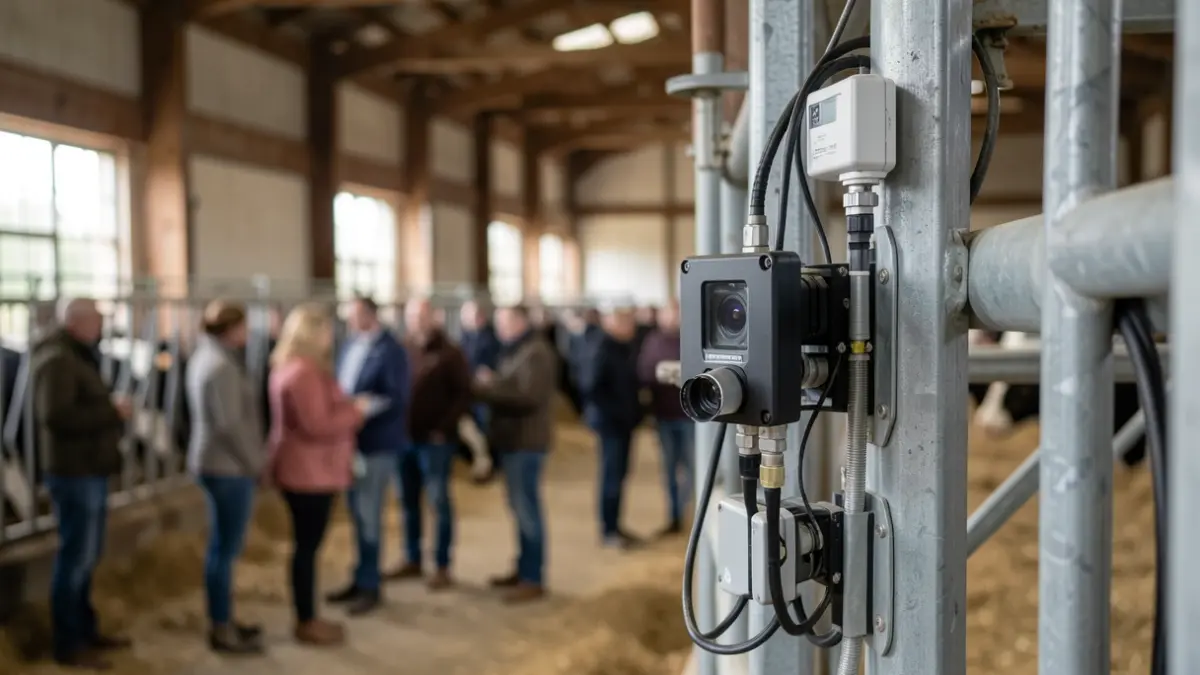
The key message to European policymakers is that automated monitoring is technically feasible. However, further efforts are needed for widespread application: stimulating investment in sensors and platforms, working on reliable and comparable measurements, and strengthening cooperation in the chain between slaughterhouses, farmers, transporters and governments.