The Flemish Environment Agency (VMM) has decided to downgrade the drought code to yellow. On non-navigable waterways, ecological thresholds are being met almost everywhere again, allowing temporary water abstraction bans to be lifted where possible. On navigable waterways, discharges have also risen significantly, although water-saving measures remain in effect for the time being.
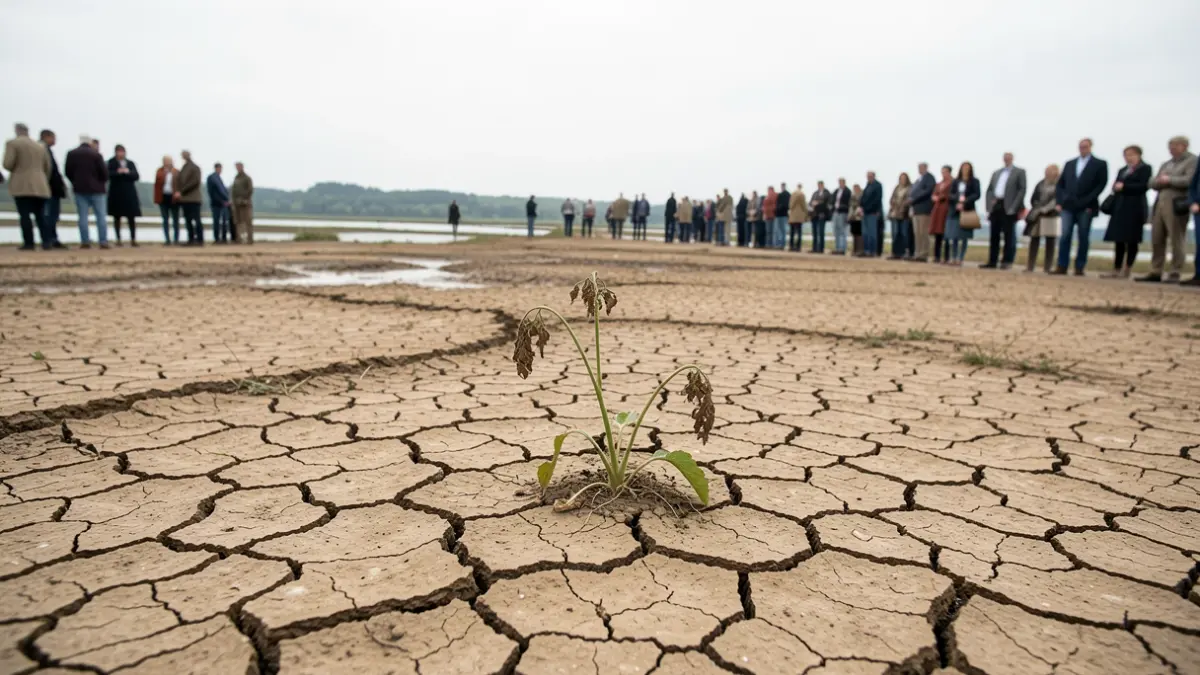
Despite the improvements, groundwater levels remain a key concern. 68% of monitoring sites still show low to extremely low groundwater levels for this time of year. Salinization and blue-green algae have decreased but have not yet disappeared.
The tap water supply remains assured, and consumption is normal for the season. Due to the early stage of recovery, the status indicator will remain at code yellow for now, with increased vigilance for all supply areas.
With winter approaching, it remains important to retain and infiltrate available water as much as possible to further restore water resources. Water managers, farmers, and land managers can contribute by raising weirs and limiting drainage where feasible.
An overview of current measures can be found at opdehoogtevandroogte.be.